Advancing Support for Migrant Entrepreneurship: INNOVATE Holds Transnational Meeting in Munich
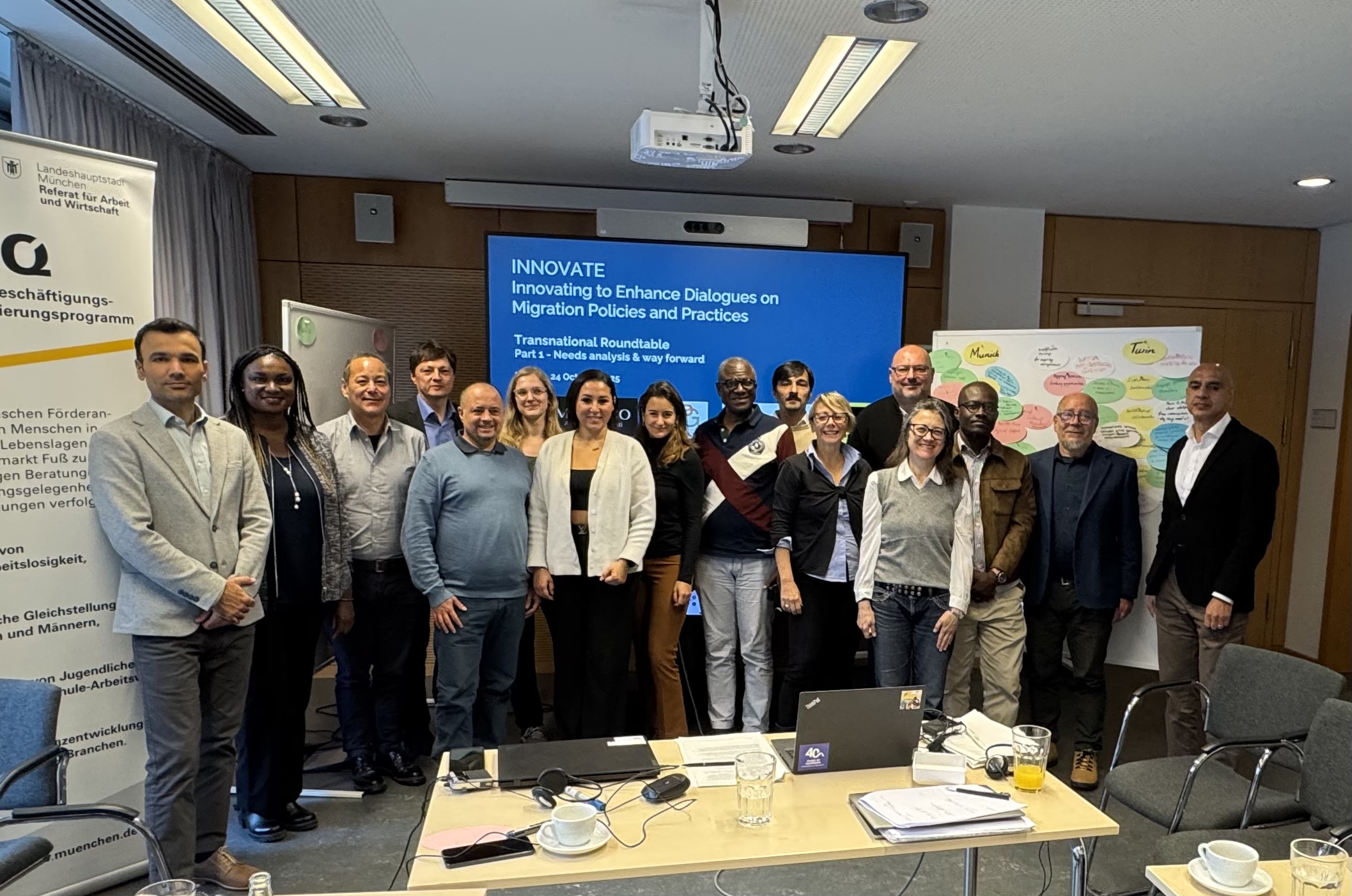
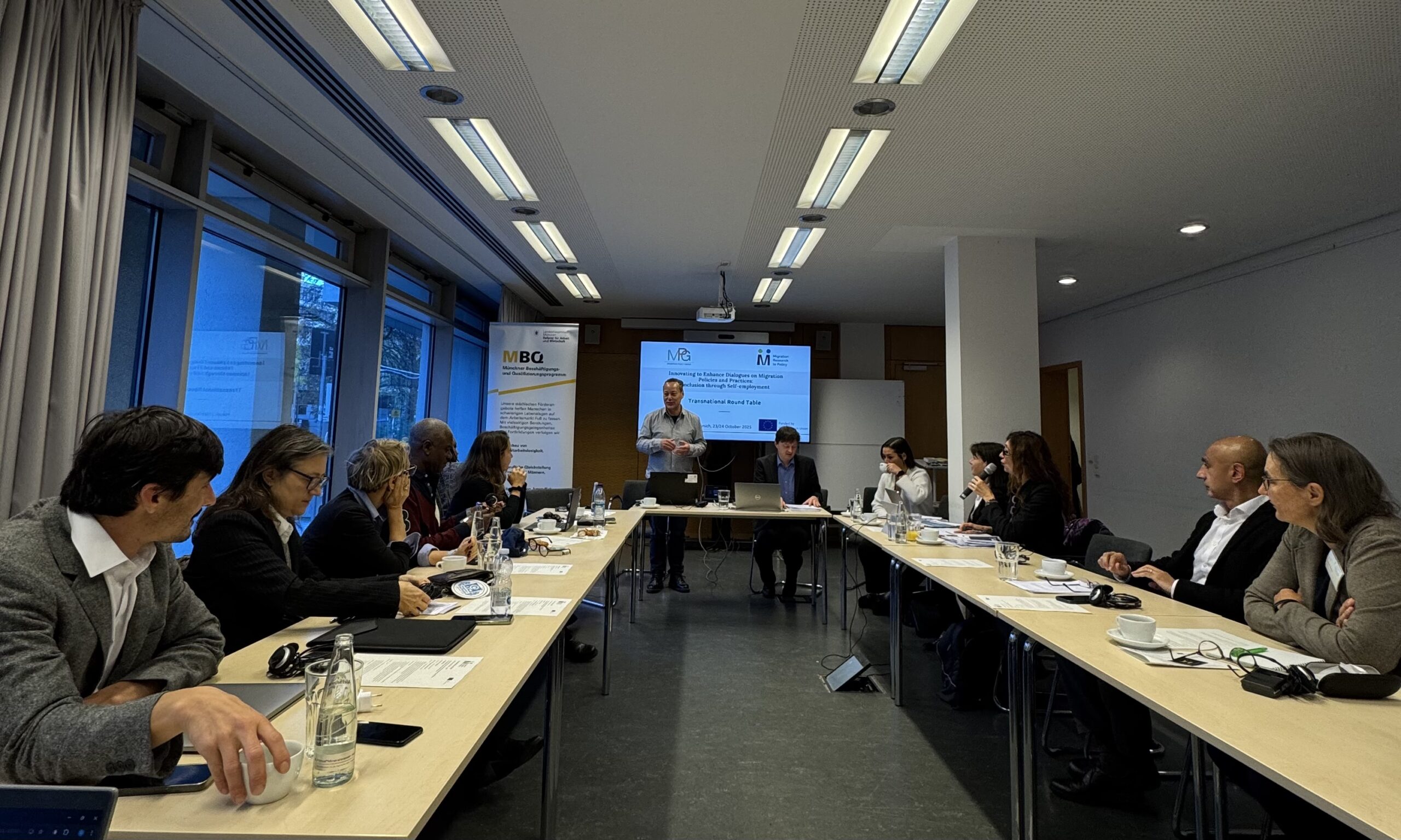
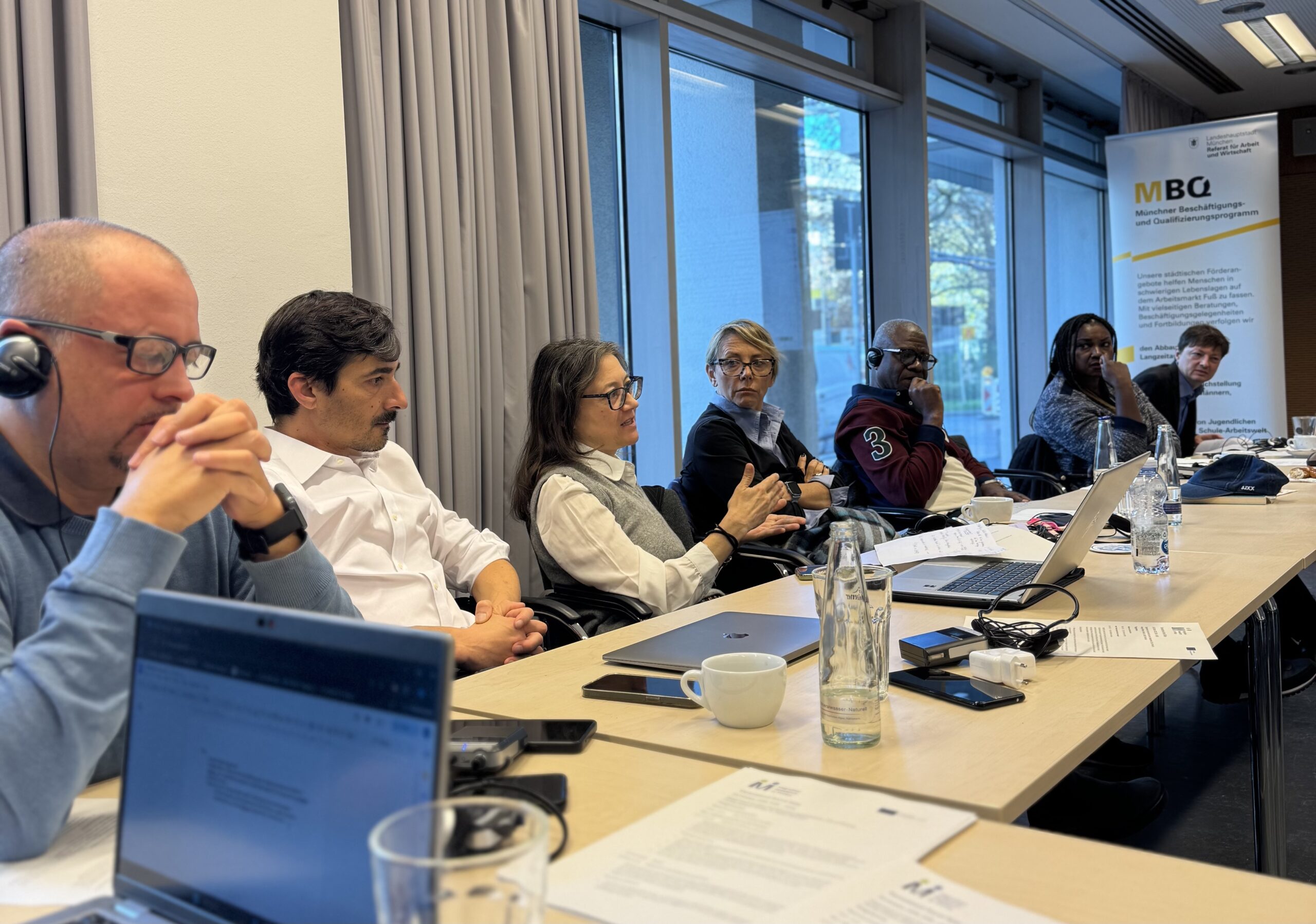
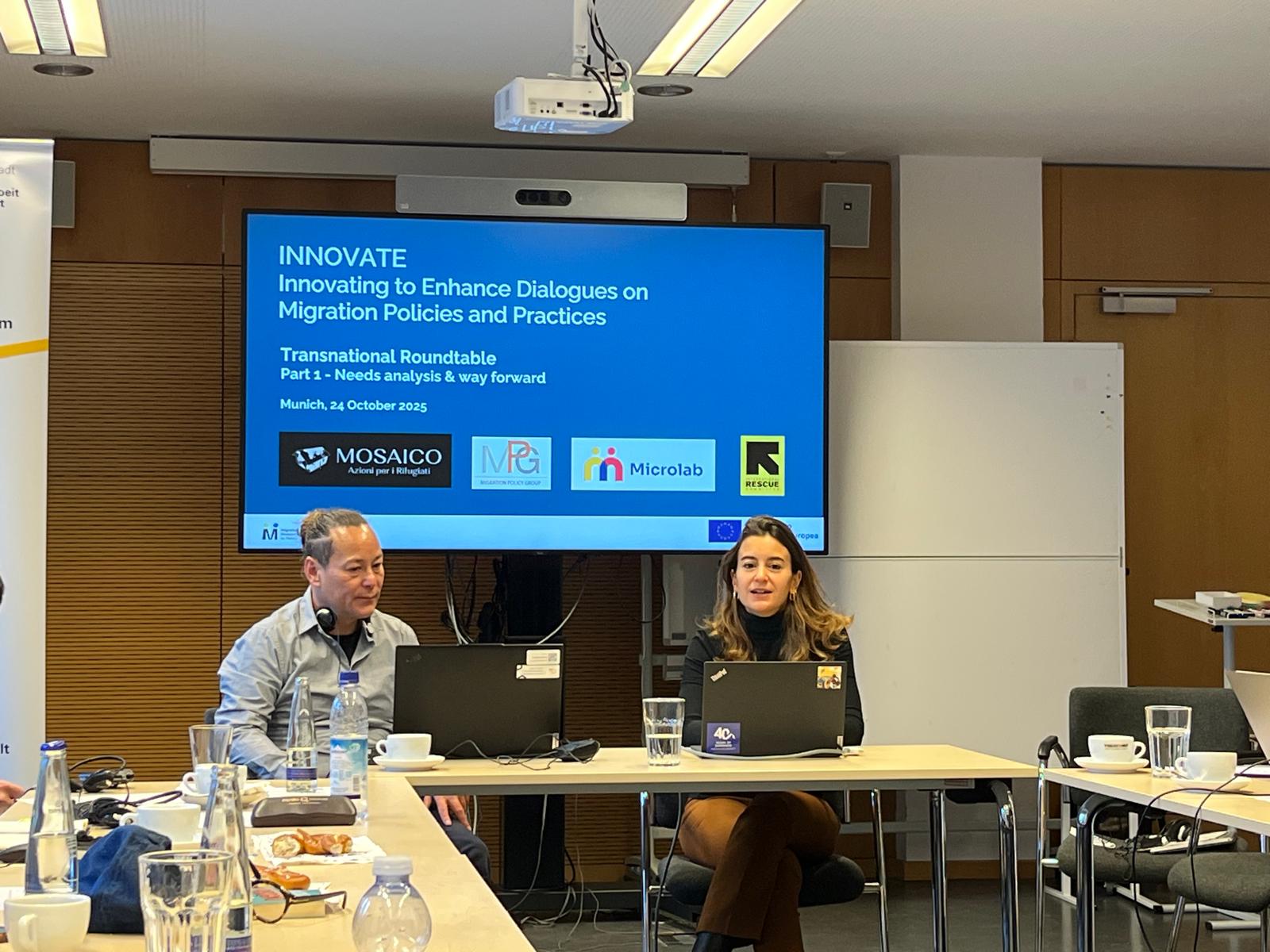
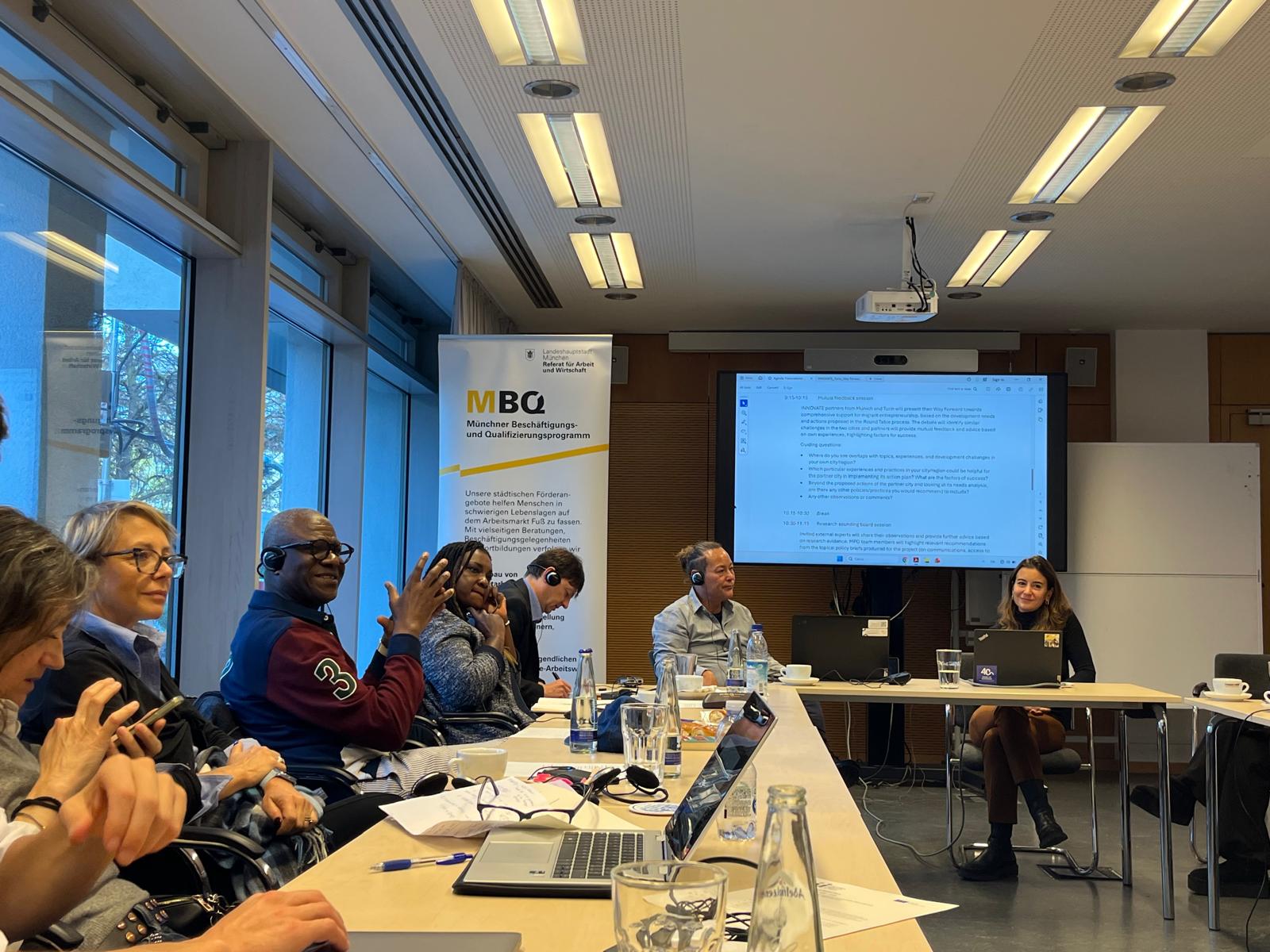
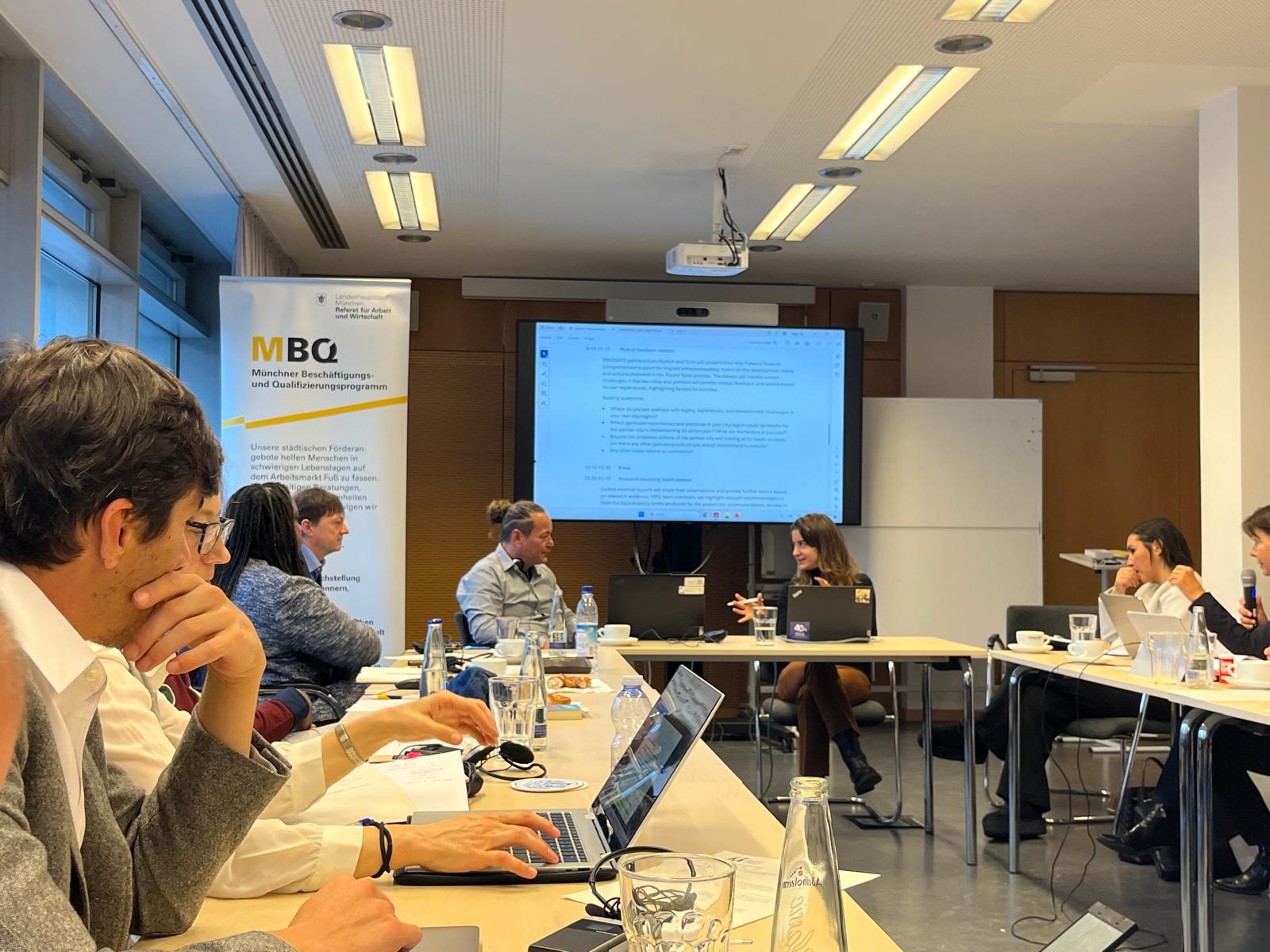
On Friday 24th October, the INNOVATE initiative held its transnational meeting in Munich. MPG’s Alexander Wolffhardt, Mojib Atal and Olivia Long joined partners from Munich and Turin, including the Department of Labour and Economic Development of the City of Munich, ReDI School Munich, Microlab in Turin and the International Rescue Committee, alongside key local and regional migrant entrepreneurship stakeholders – Mosaico, House of Oyoko, representatives from the City of Turin and the Ukrainian Business Hub, among others. The session focused on advancing support for migrant entrepreneurship, with discussions structured around the development needs of and mutual exchange between the initiative’s two pilot projects. Two experts in the field, Monder Ram from the Centre for Research in Ethnic Minority Entrepreneurship (CREME) in the UK and Anna Ferro from the Centre for International Political Studies (CeSPI) in Italy, made interventions from a research perspective, sharing insights and advice.
Partners compared challenges across local ecosystems, highlighting shared obstacles such as fragmented governance, limited coordination and a lack of dedicated funding. The meeting underscored the need for sustainable, institutionally anchored structures – for example, permanent governance platforms and the use of “anchor institutions” – to ensure lasting impact. Both cities identified the recurring issue of project-based “short-termism”, calling for measures to embed successful initiatives into local infrastructure. Participants further stressed the importance of trust-building, genuine co-design with migrants, and inclusive policy-practice connections to promote effective and participatory policymaking.
Key points discussed include the following:
- Ecosystem fragmentation and continuity: Short-term project cycles and fragmented local ecosystems limit the long-term impact of initiatives supporting migrant entrepreneurship. The use of anchor institutions can embed successful actions into local infrastructure, making them more sustainable.
- Co-design and efficiency: Genuine co-design, whereby migrants are involved at every stage of the creation process of initiatives targeted at them, is not only ethically important but also key to ensuring effective and inclusive policies and programmes that respond to real needs.
- Structural barriers and trust: Providing information to migrants is necessary but insufficient to address deeper structural issues such as trust deficits, especially with the growing use of AI in financial decision-making. Concrete structural change is needed to promote greater confidence in relevant systems and institutions.
- Engagement with the banking sector: Stronger and more proactive partnerships with banks are needed to promote openness, inclusivity and fair access to finance.
- Local and territorial differences: Barriers to entrepreneurship for migrants tend to vary across territories; context-sensitive, locally tailored solutions are therefore essential.
- Beyond self-employment: Self-employment should not be treated as the only path to economic participation; broader access to labour market opportunities remains critical.
- Public–private coordination: Effective collaboration between public authorities, the private sector and social actors rely on shared ownership, clear roles and communication and mutual accountability.
Overall, the meeting highlighted that lasting progress depends on embedding successful pilot actions into local systems, strengthening multi-level cooperation, and maintaining evidence-based, participatory policymaking.
What is INNOVATE?
Implemented by MPG, “Inclusion through Self-employment” is one of seven Process Innovation Actions of the INNOVATE Migration to Research Policy Co-Lab. These actions explore how policymakers, practitioners and researchers can work together to create solutions to the most pressing migration issues.
“Inclusion through Self-employment” allows the cities of Munich and Turin to review their local support systems for migrant entrepreneurship in a multi-stakeholder process. Regular ’round table’ discussions and tailored advice based on international research identify what works and what is still needed to ensure more comprehensive support. Concrete pilot actions are being developed in conjunction with practitioners to demonstrate how gaps in the support environment for (potential) migrant entrepreneurs can be filled.
What are the pilot projects?
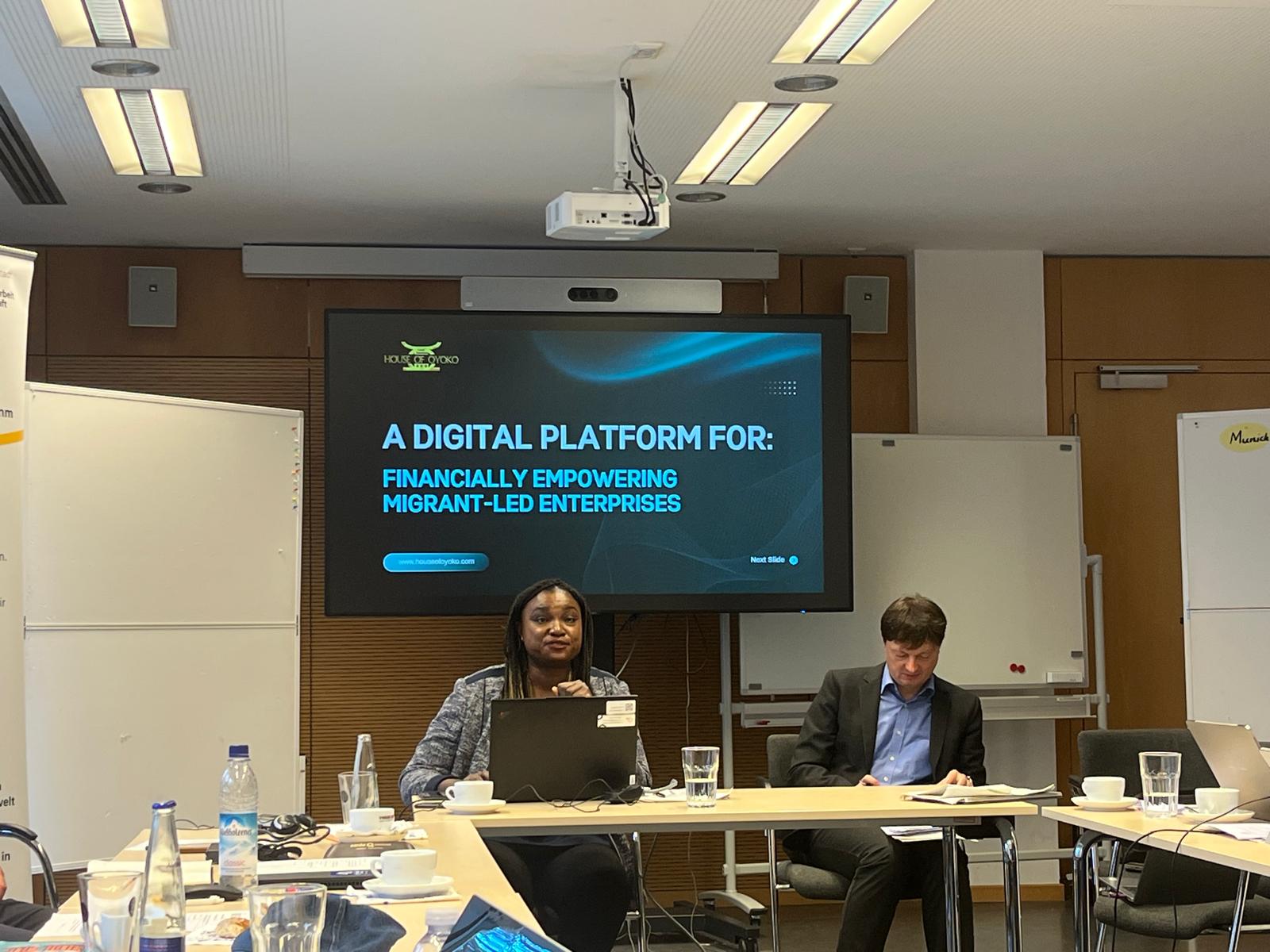
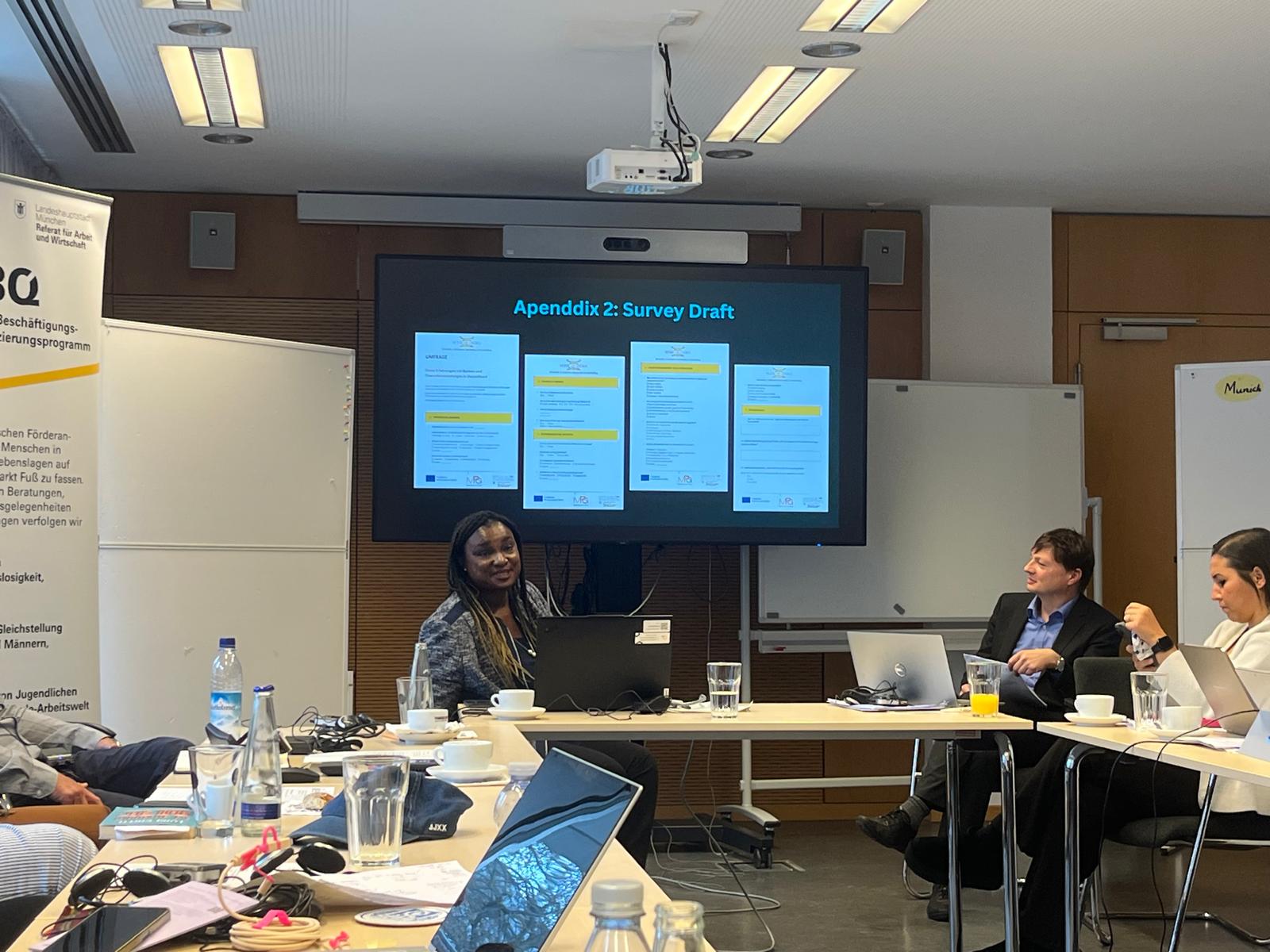
The MigraFounders pilot project, being implemented by House of Oyoko in Munich, is a multilingual, centralised financial platform designed to empower migrant-led businesses – especially those with BiPOC founders – by simplifying access to financial resources and demystifying banking systems across Germany and Europe. The platform bridges critical gaps in financial literacy, access and communication, serving as a launchpad for inclusive economic participation. By combining inclusive, culturally attuned outreach with practical infrastructure, it redefines how migrant businesses start, grow, and thrive. The pilot will generate data-driven insights and policy recommendations to improve financial inclusion and equity.
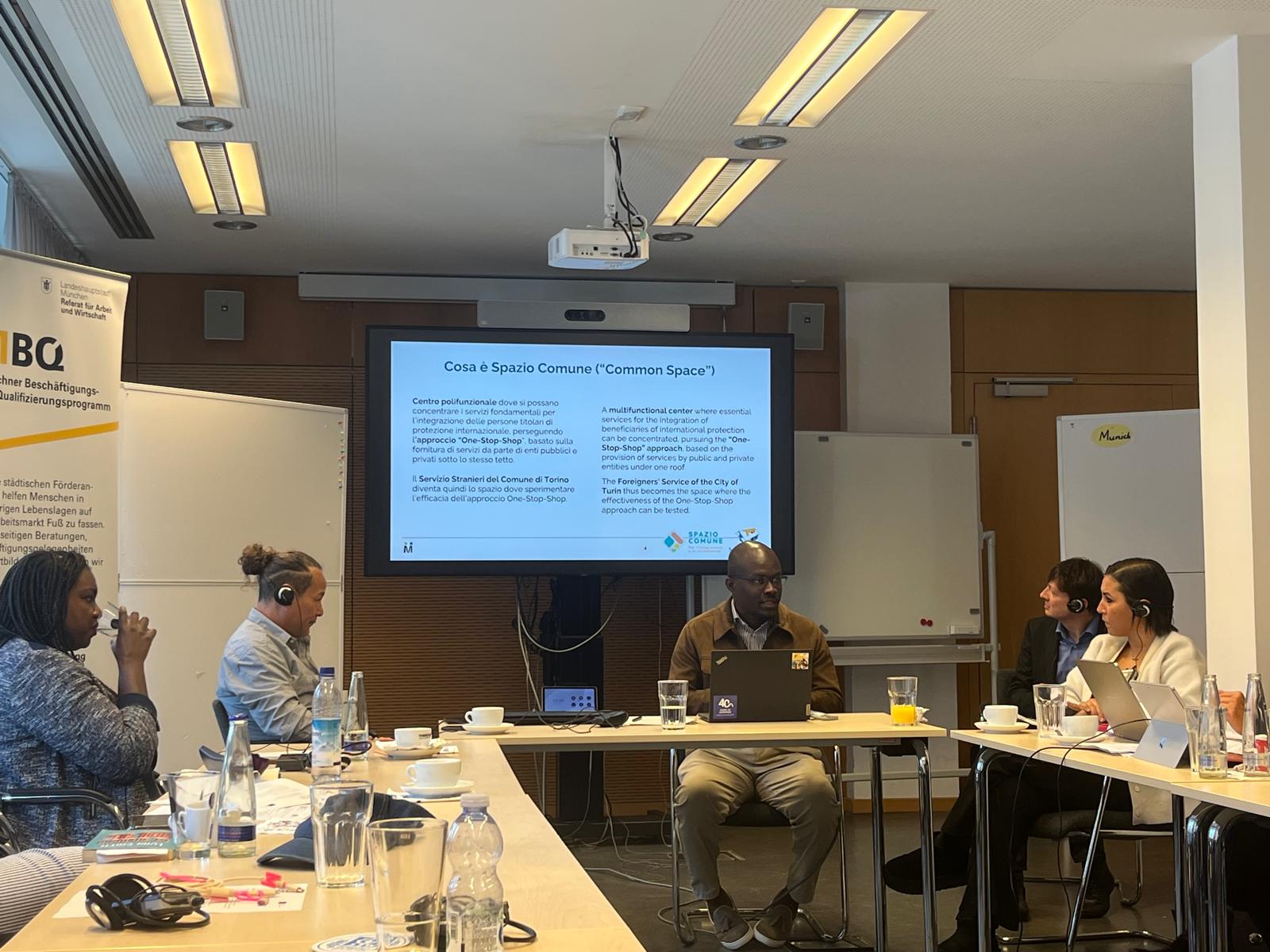
The second pilot project aims to strengthen the capacity of Spazio Comune, a ‘One-Stop-Shop hub’ implemented by Associazione Mosaico in Turin since 2022. The hub integrates multiple institutional services for migrants (including civil registry, job centres and health services) but currently lacks structured support for entrepreneurship. This pilot – being developed by Mosaico and Microlab – addresses that gap by embedding entrepreneurial mentoring services and social and cultural mediation, including language support, within Spazio Comune.