SIRIUS 3.0 launches the Migrant Education Policy Index at the European Parliament

Towards Inclusive Policies for Migrant Learners in Europe
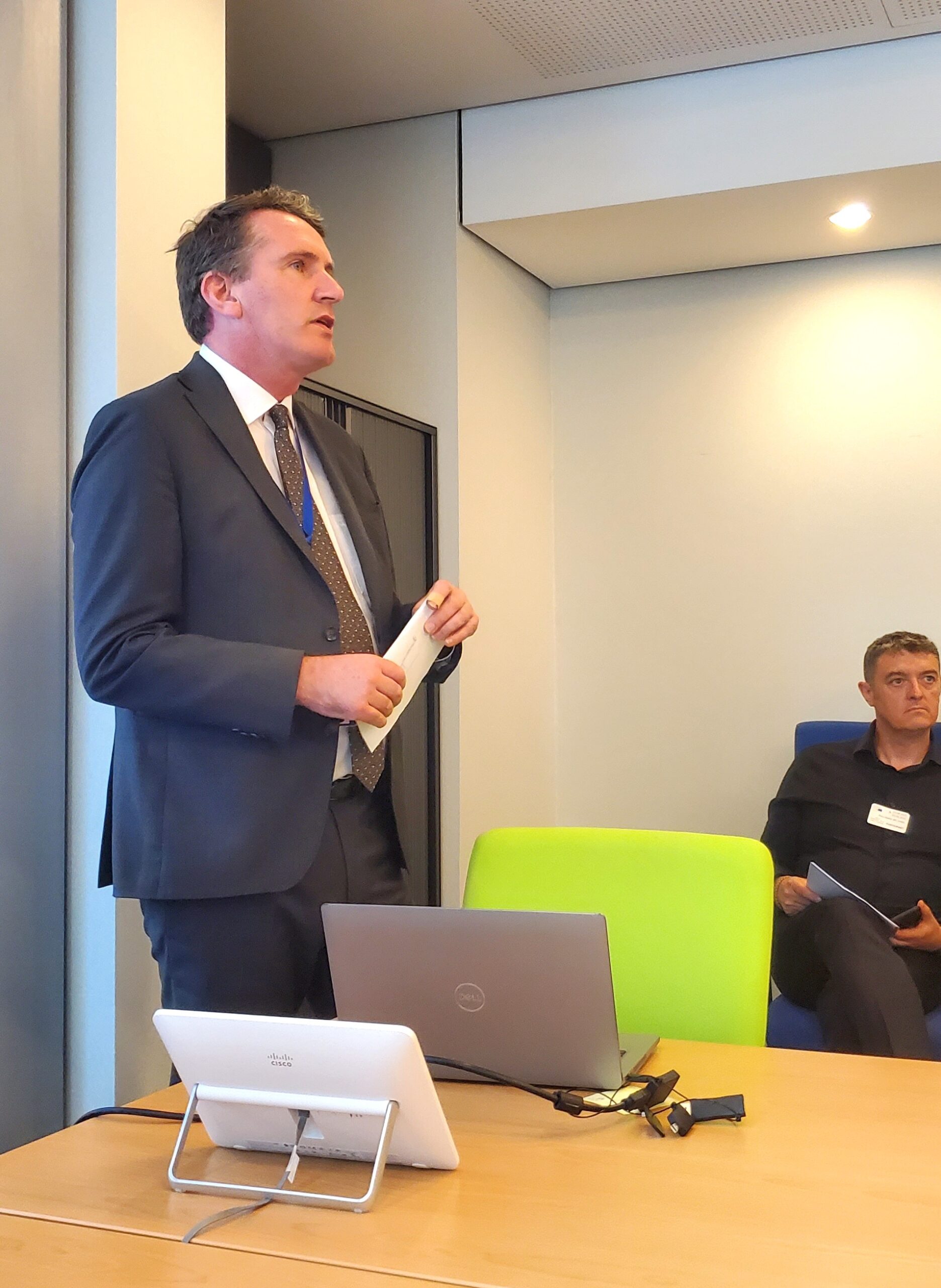
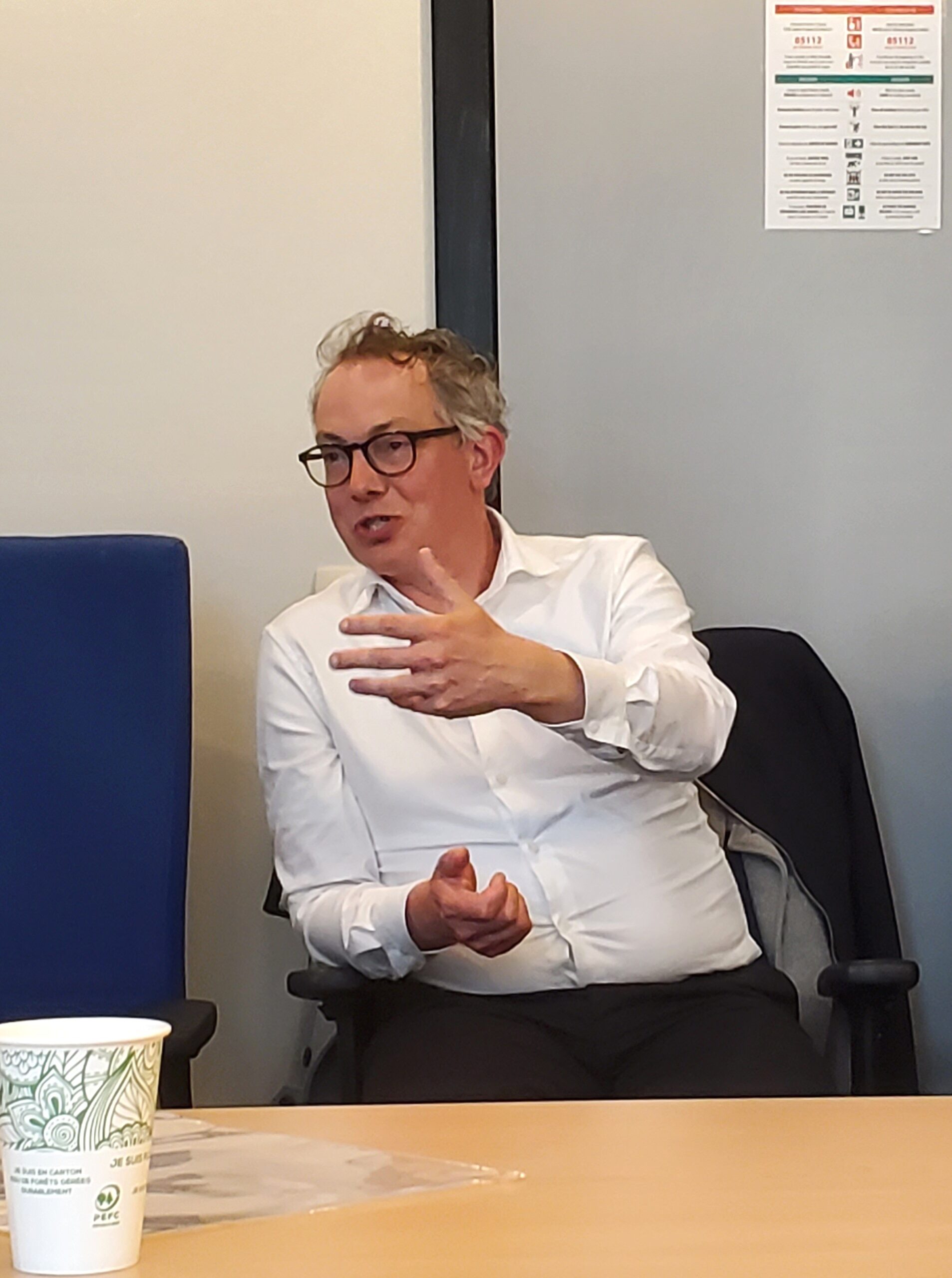
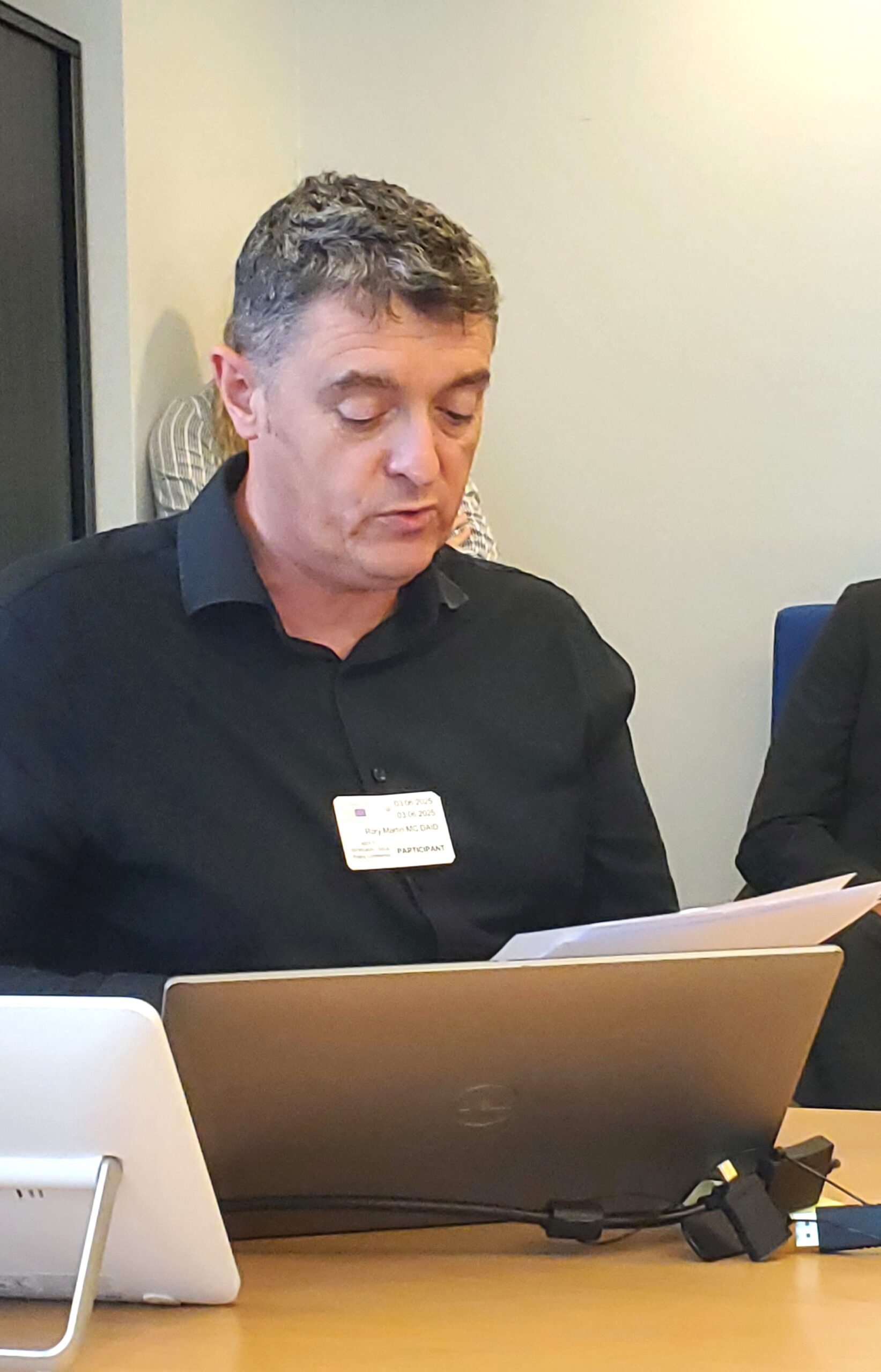
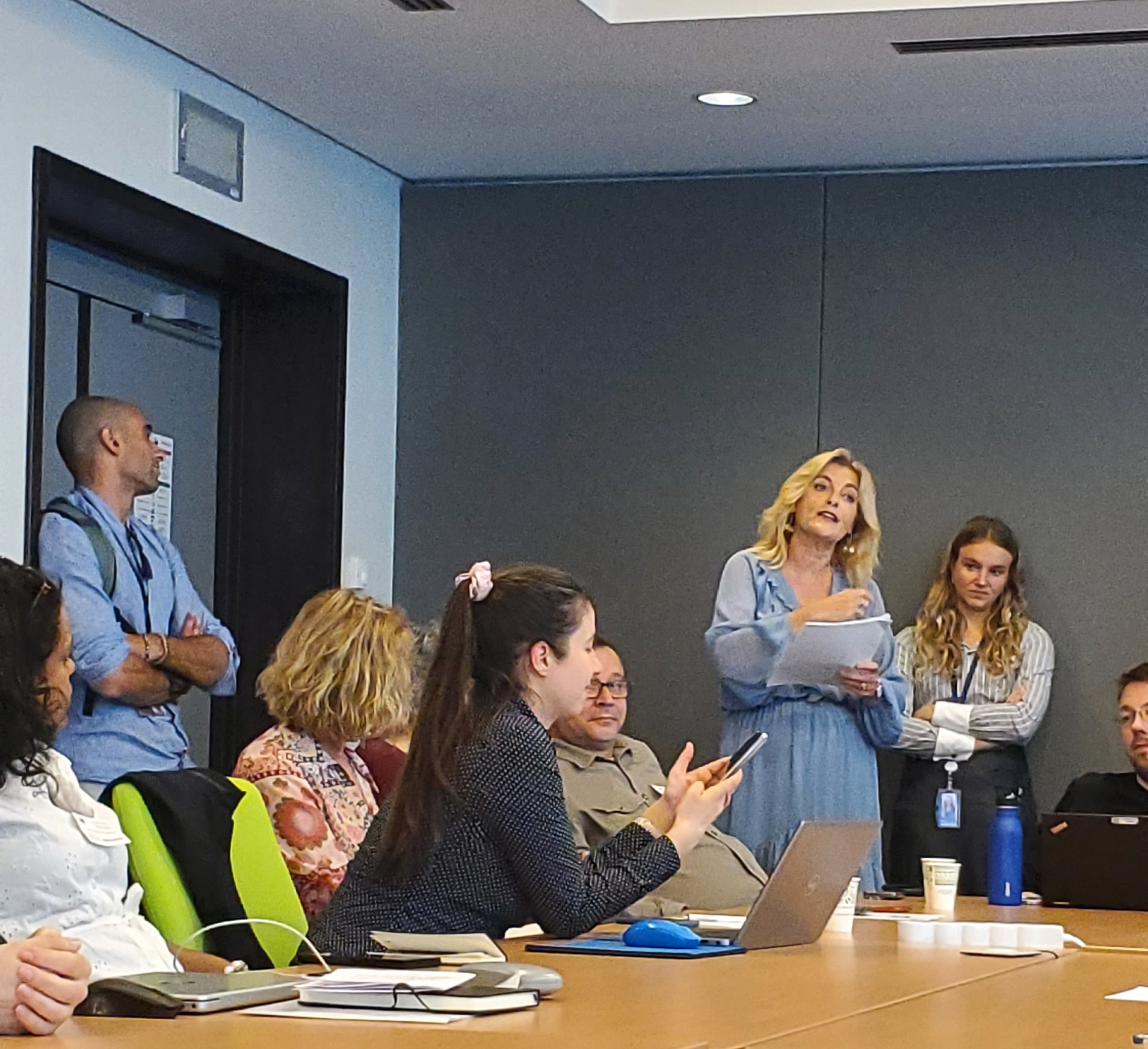
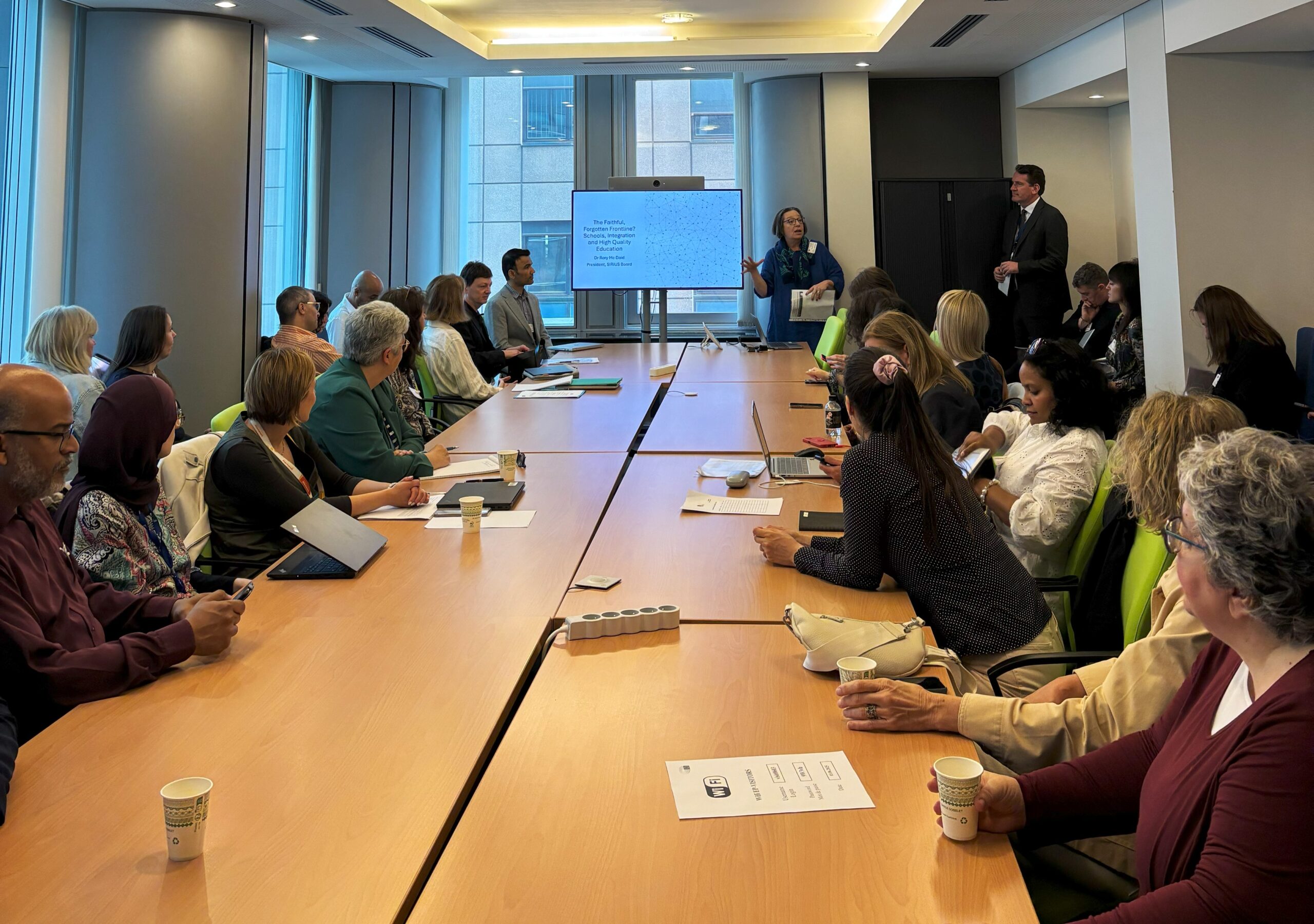
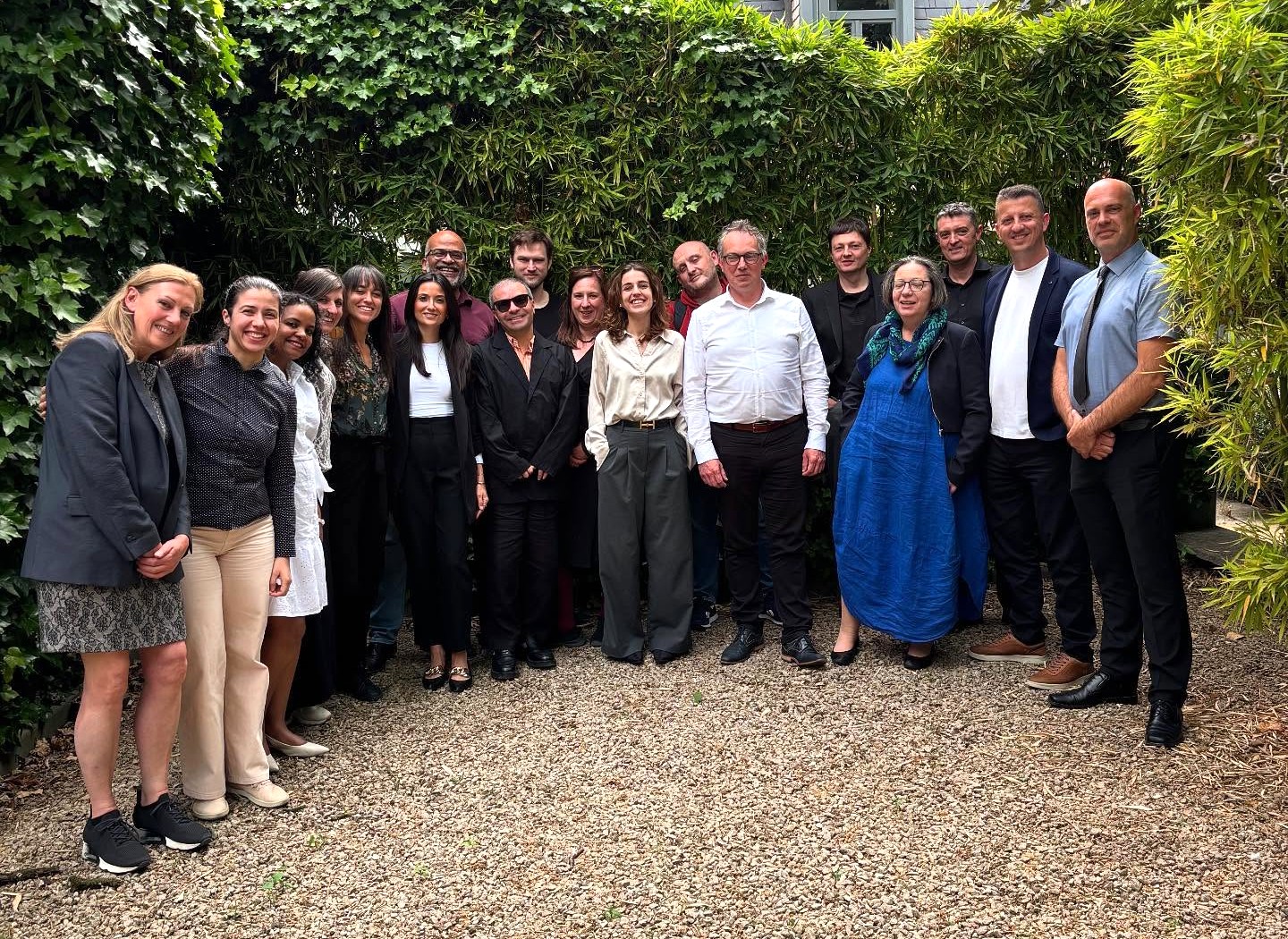
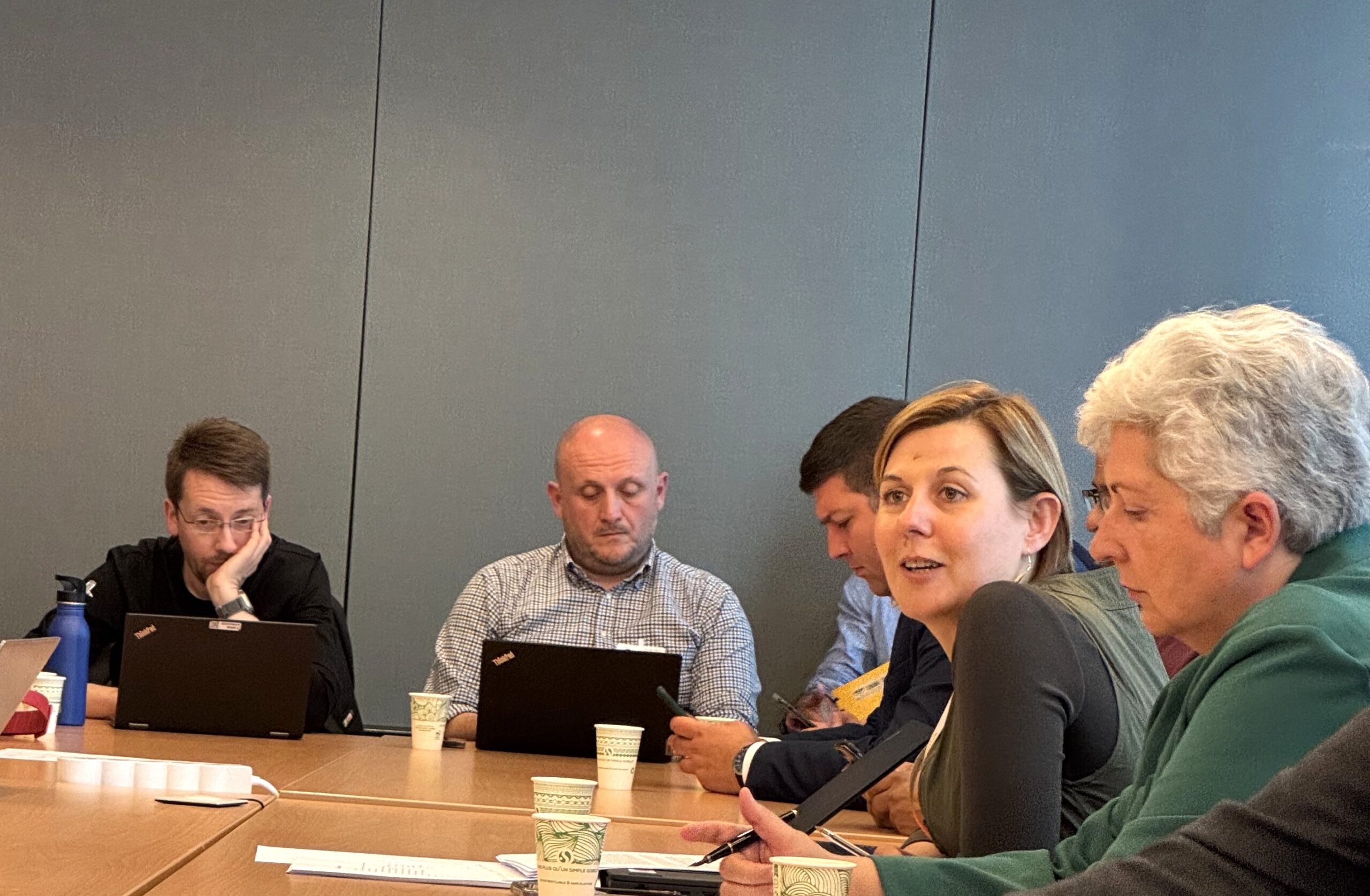
On the 3rd of June 2025, the SIRIUS Policy Conference 2025 brought together policymakers, education experts, and civil society leaders at the European Parliament to address one of Europe’s most pressing education challenges: how to make inclusive education a political priority for children and young people with a migrant background.
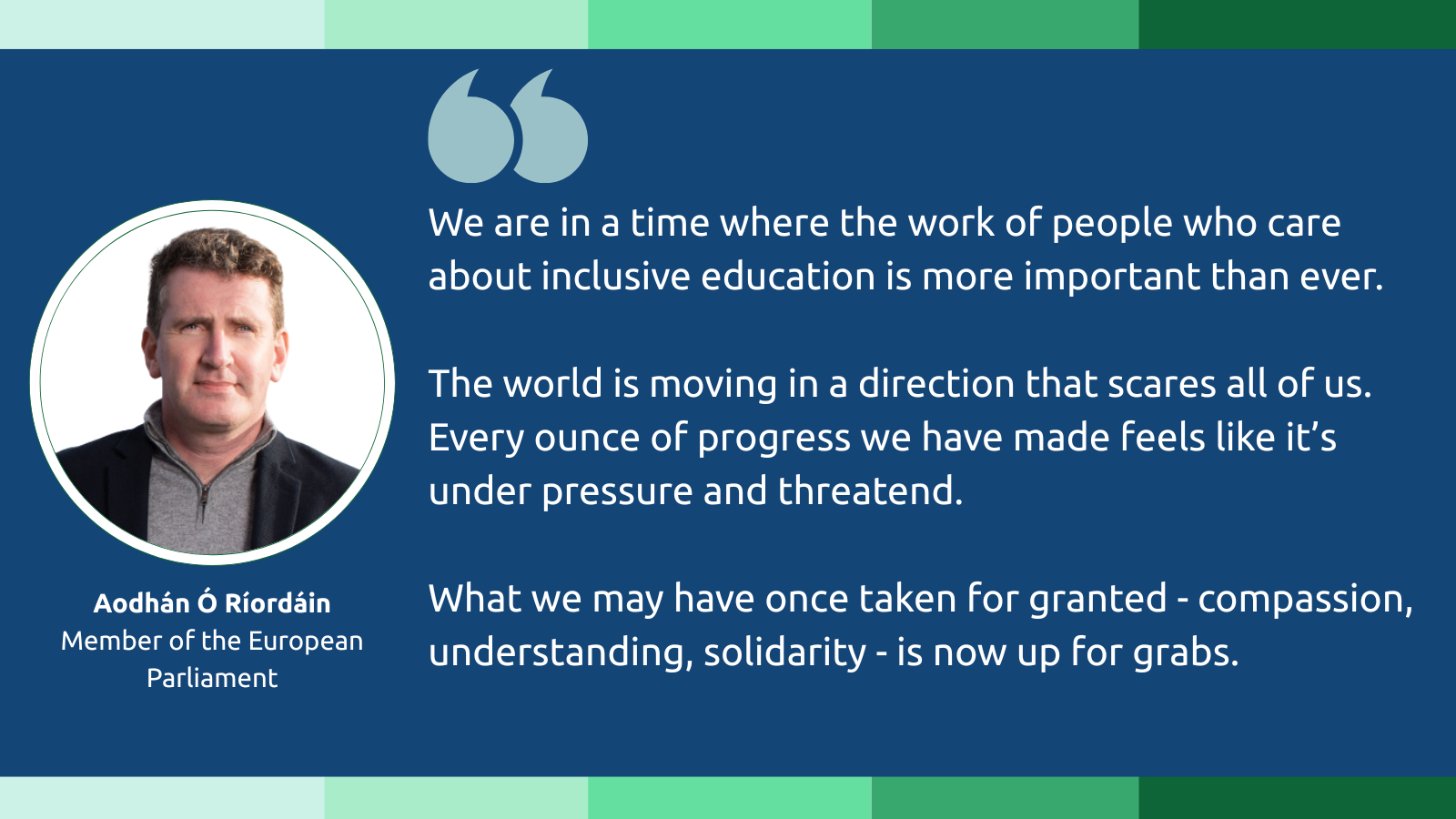
Hosted by MEP Aodhán Ó Ríordáin, who has been actively involved in education and inclusion policy, the conference focused on moving from ideals to action, ensuring that all learners, regardless of origin, can thrive in Europe’s education systems.

A Key Milestone: The Launch of the SIRIUS Migrant Education Policy Index
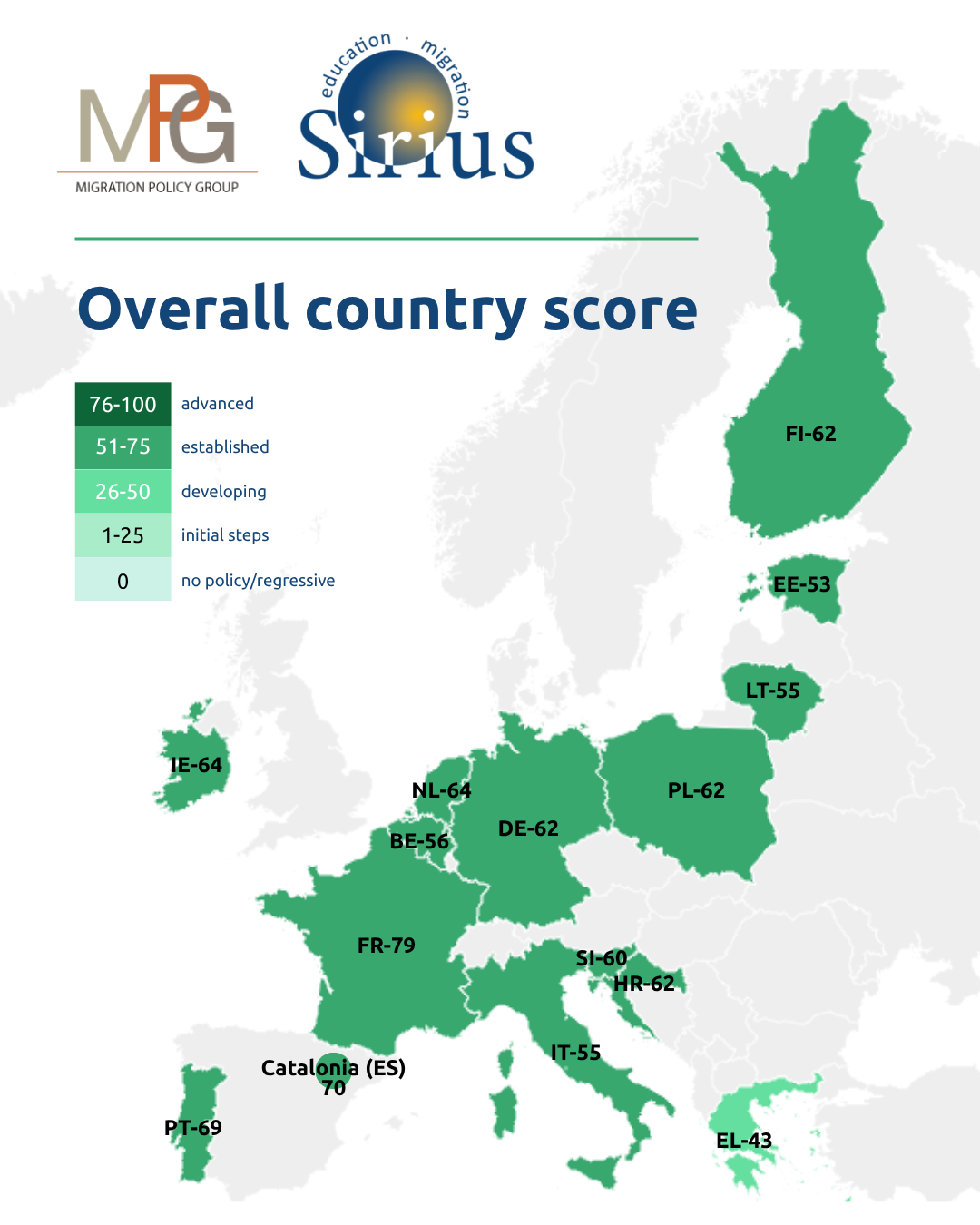
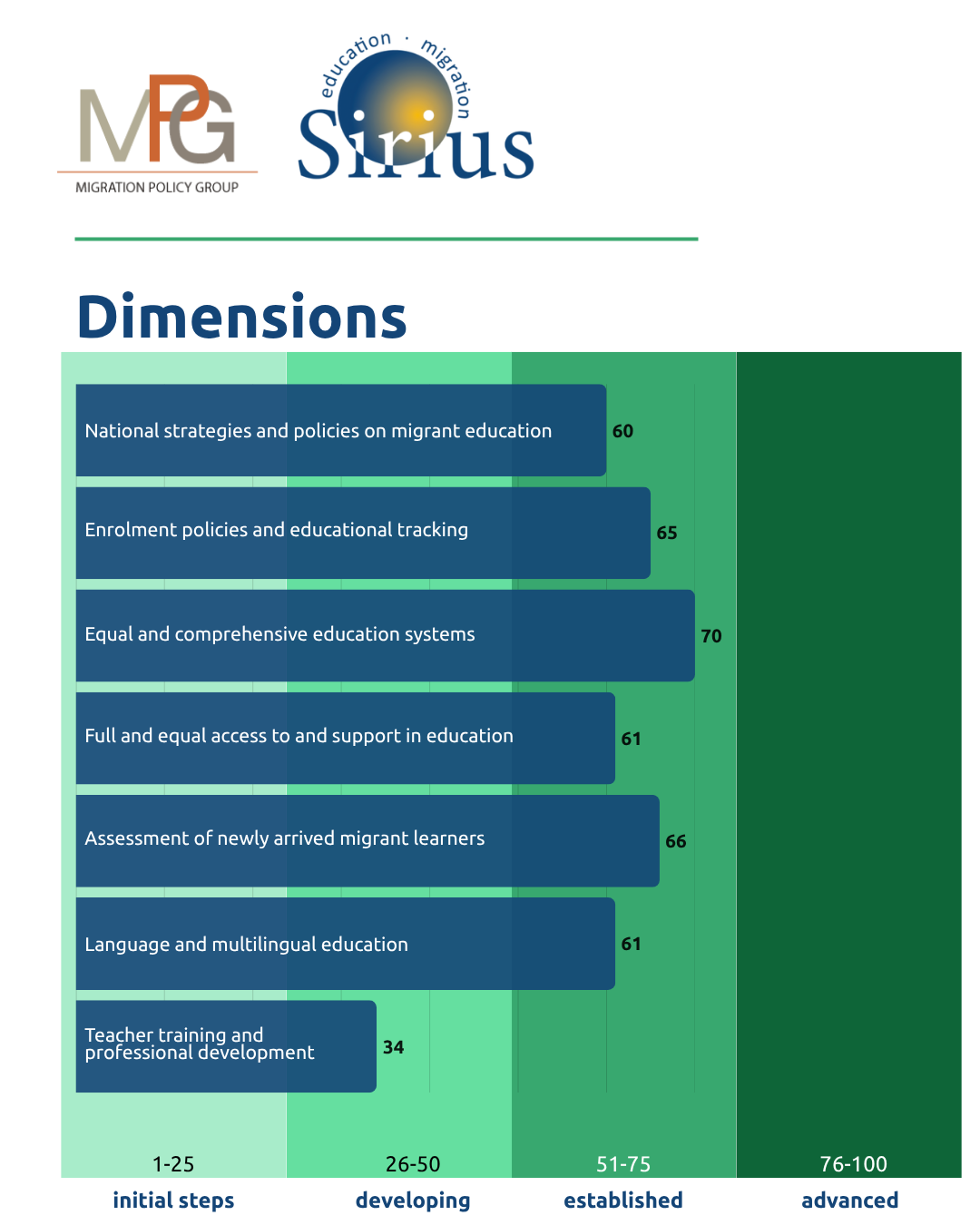
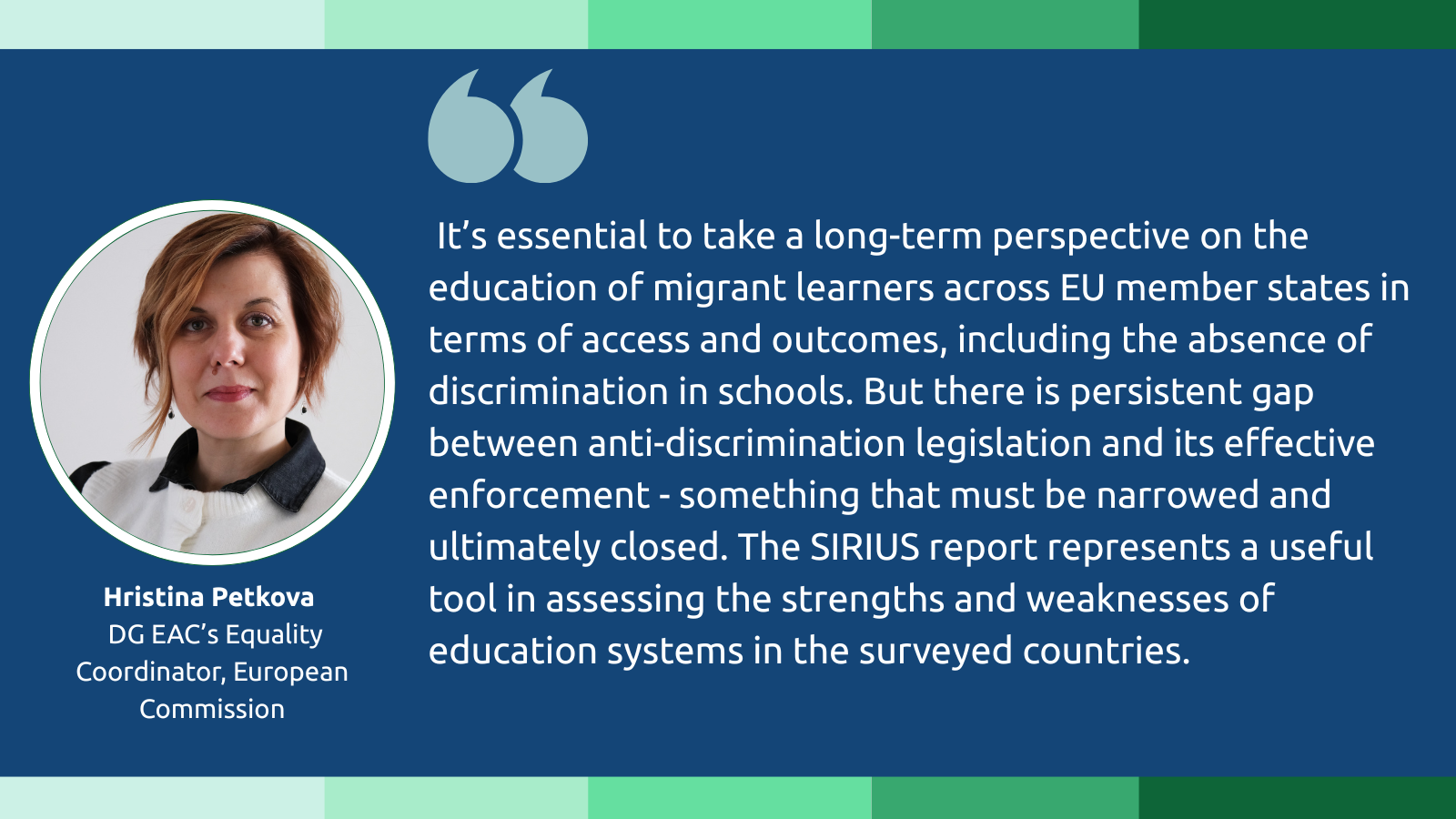
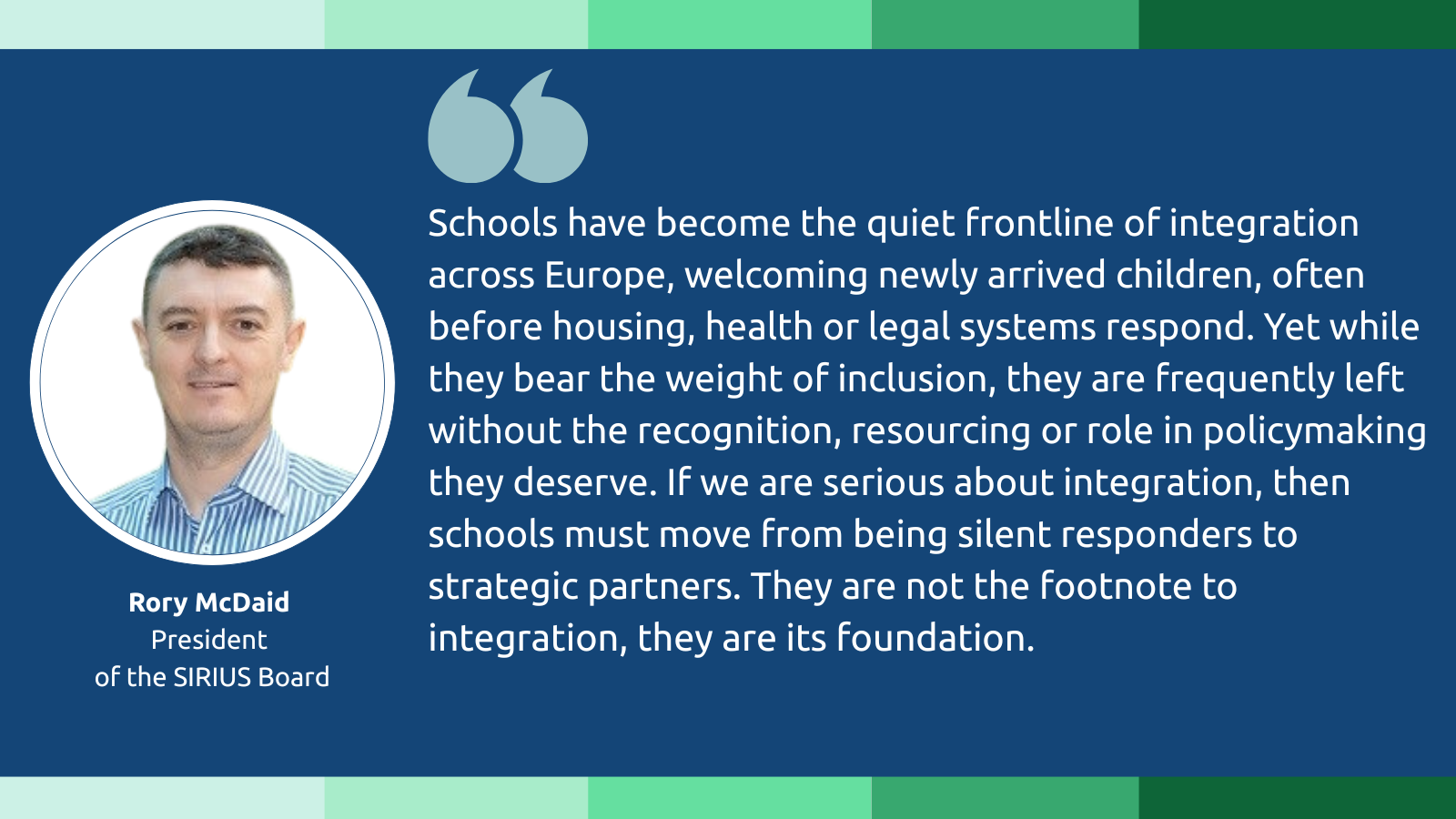
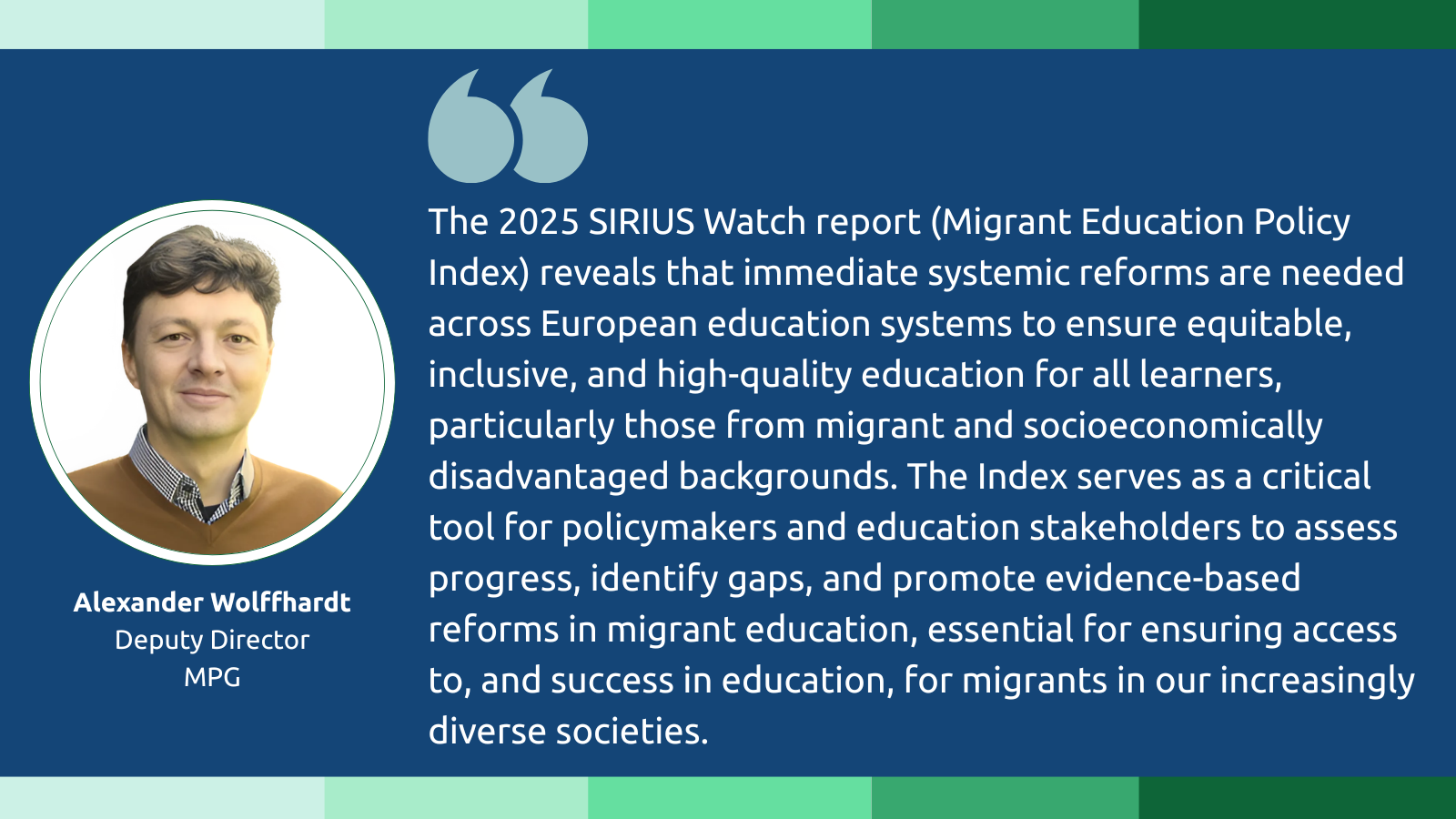
At the centre of the conference was the launch of the SIRIUS Migrant Education Policy Index, a ground-breaking tool developed to assess and compare national policies across 15 EU countries. The Index evaluates how well national education systems are supporting migrant learners, providing a clear, structured view of policy progress and gaps. Produced by MPG for SIRIUS, the Policy Network on Migrant Education, the index was launched as the 2025 edition of the network’s annual SIRIUS Watch Reports.
A Roadmap for change: Key Recommendations from the Index
The SIRIUS Migrant Education Policy Index offers a detailed roadmap for making education systems more inclusive, coordinated, and responsive to the needs of migrant learners. It calls for a shift toward a learner-focused and holistic approach, grounded in flexibility, cross-sector collaboration, and respect for cultural and linguistic diversity.
Key recommendations include:
- Develop strong national strategies for migrant education, supported by sustainable and adequate funding.
- Strengthen government units and coordination across sectors to ensure coherent, long-term policy implementation.
- Reform enrolment and tracking practices that limit educational opportunities and reinforce early segregation.
- Expand language learning support and promote intercultural and multilingual education across the curriculum.
- Ensure fair and consistent assessment of prior learning and educational needs for newly arrived learners.
- Invest in teacher training, particularly in the areas of diversity, inclusion, and multilingual pedagogy, the weakest area identified across countries.
- Encourage the active involvement of migrant families in school communities and decision-making.
- Promote the representation of migrants in school leadership, governance, and policy dialogue.
- Provide targeted academic and social support to address structural barriers and enhance student success.
These recommendations reflect the need for systemic, long-term change. By aligning education policy with principles of inclusion and equity, European countries can ensure that every learner, regardless of background, has the opportunity to thrive.
Find out more about the report.

About the Migration Policy Group (MPG)
MPG is an independent think-and-do-tank based in Brussels. MPG’s purpose is rooted in its ability to inspire networks to provide evidence-based projects, research and campaigns in the areas of integration, migration and anti-discrimination.