MPG presents Türkiye’s latest MIPEX results in Istanbul
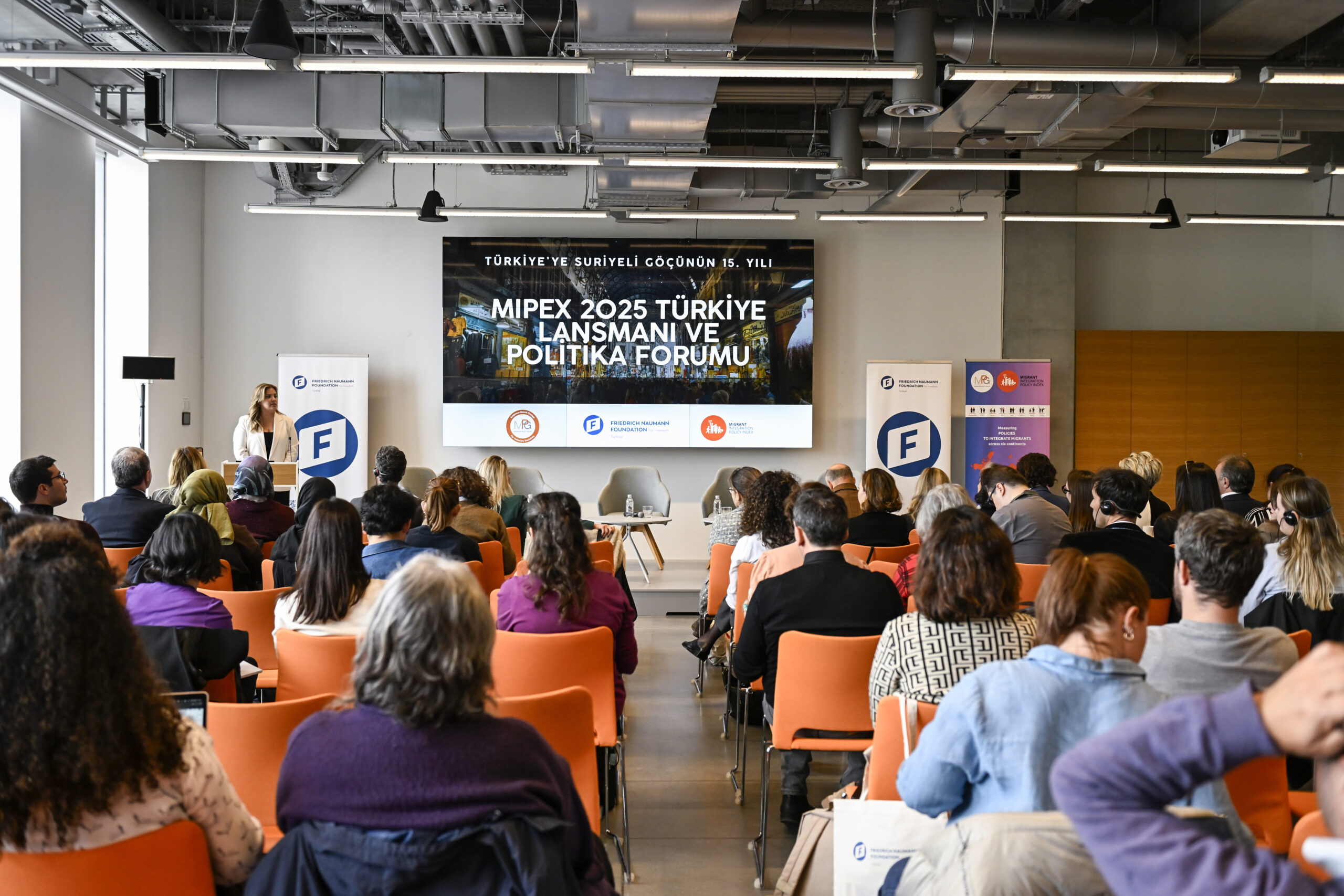
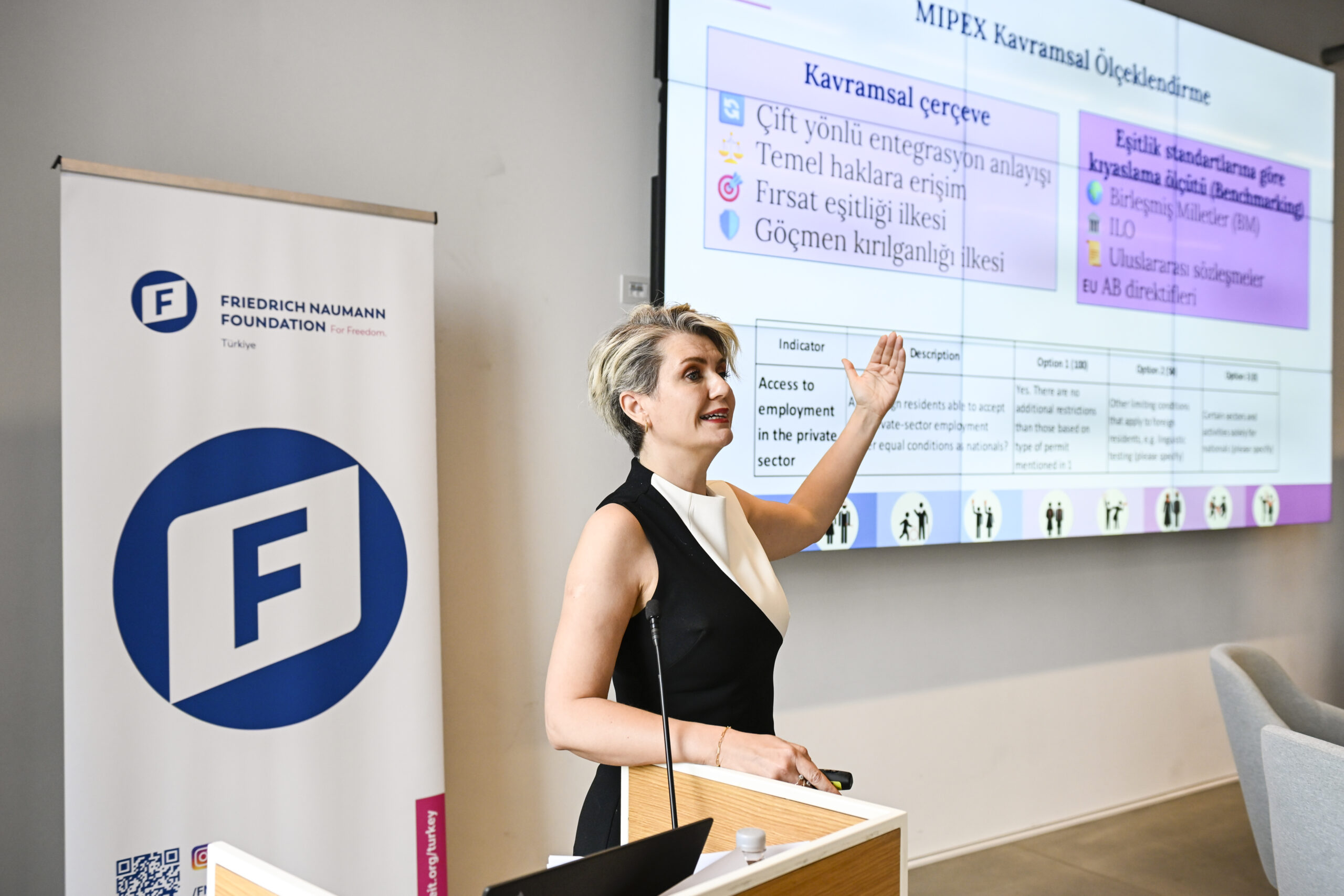
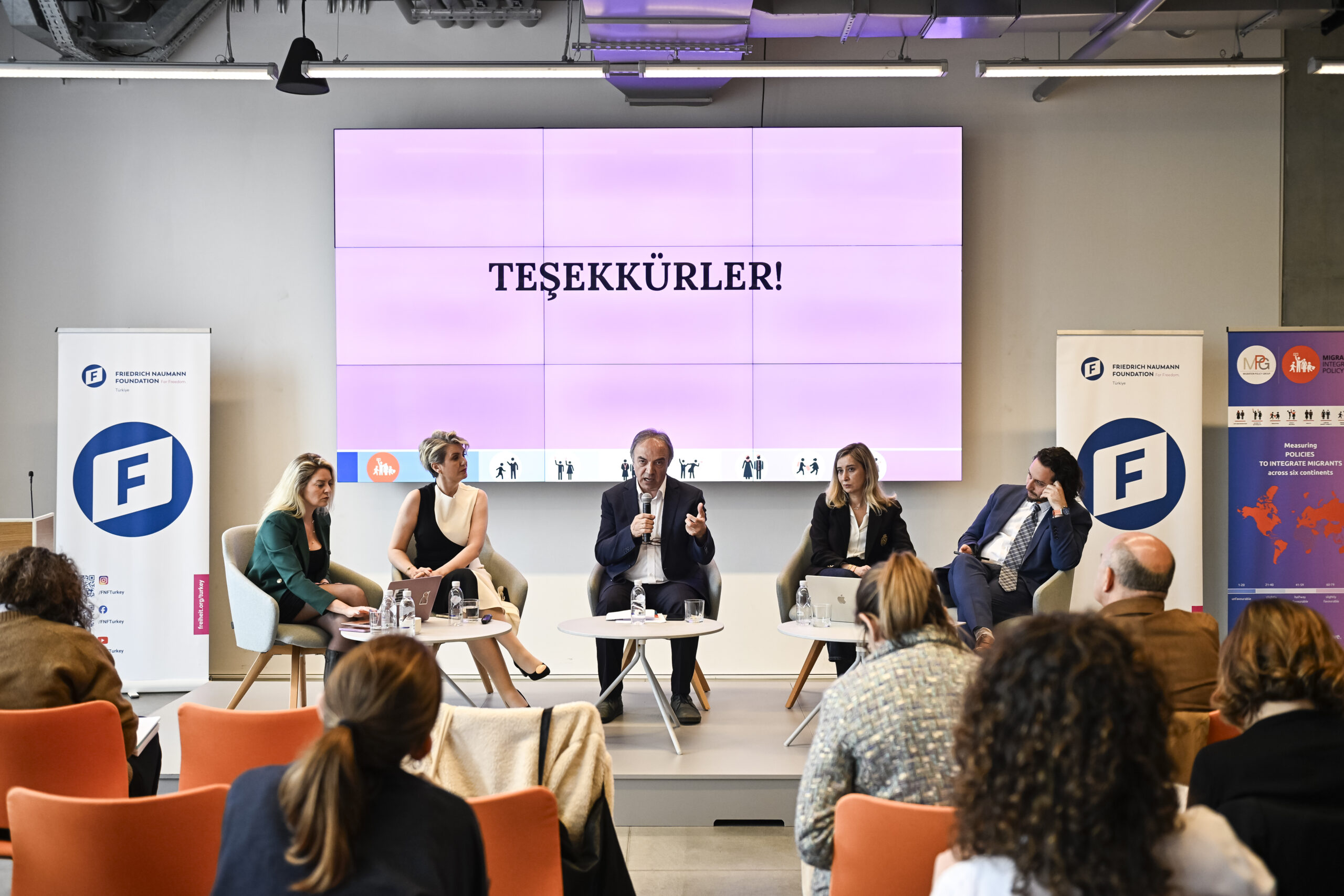
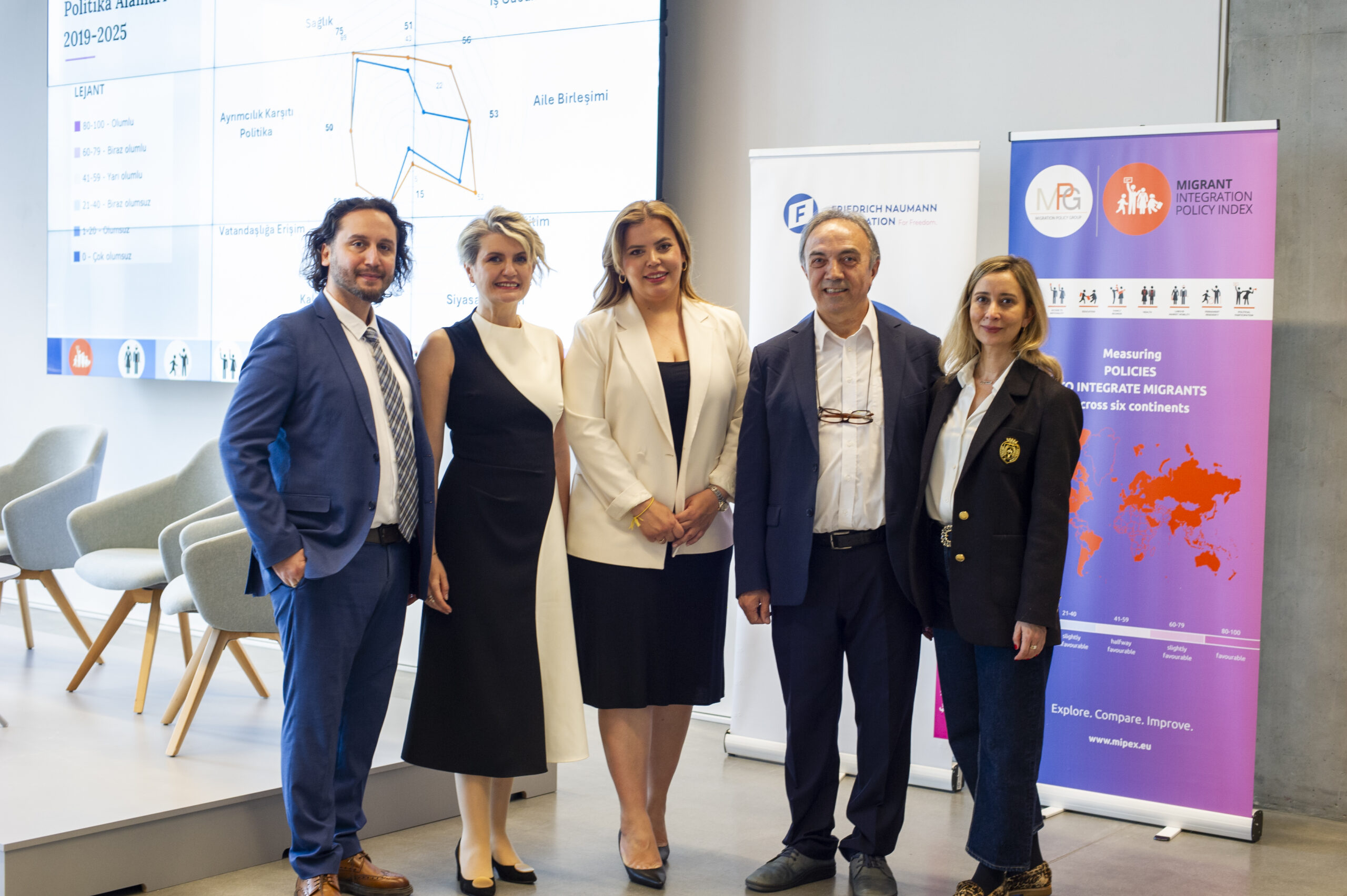
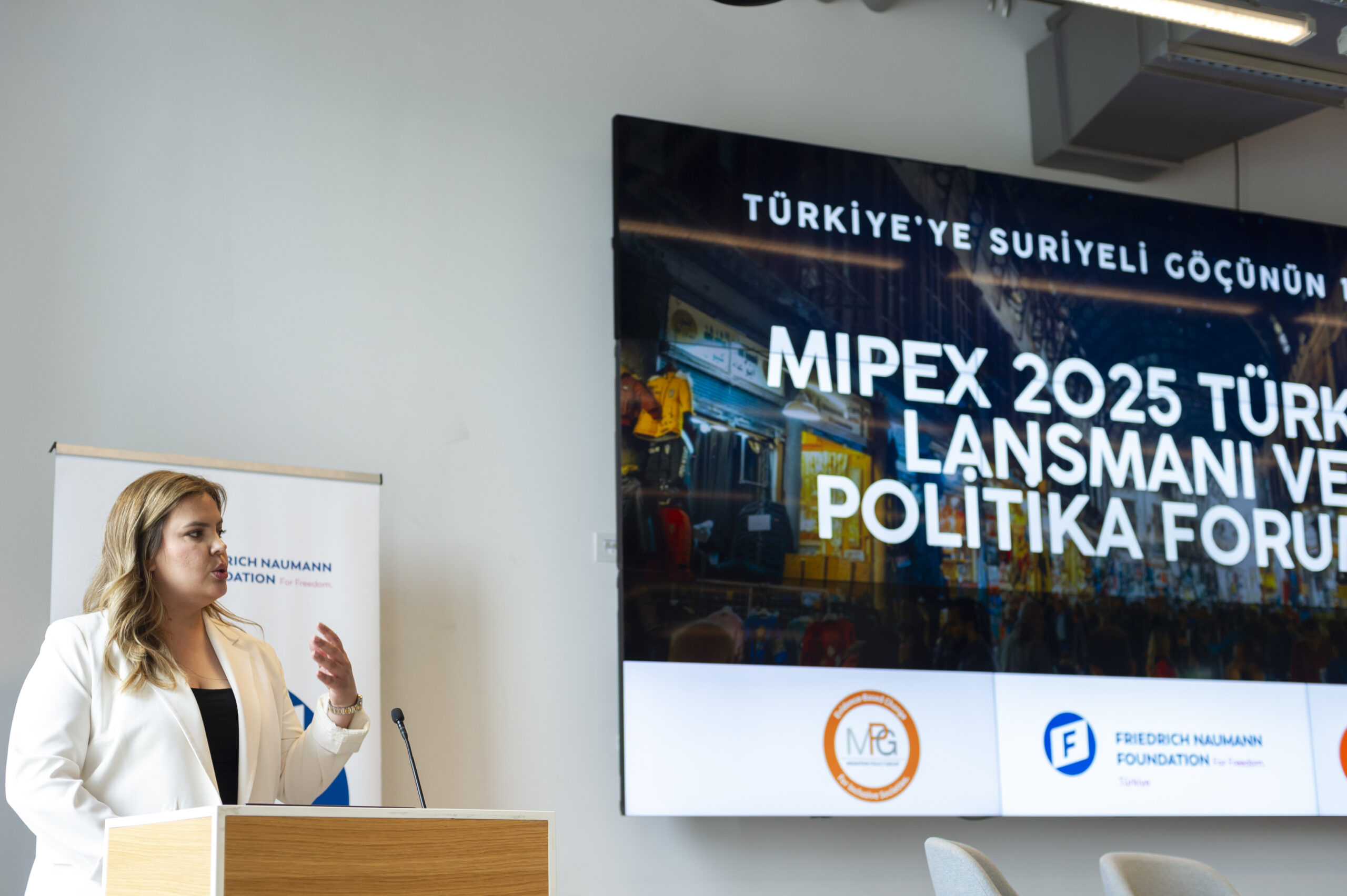
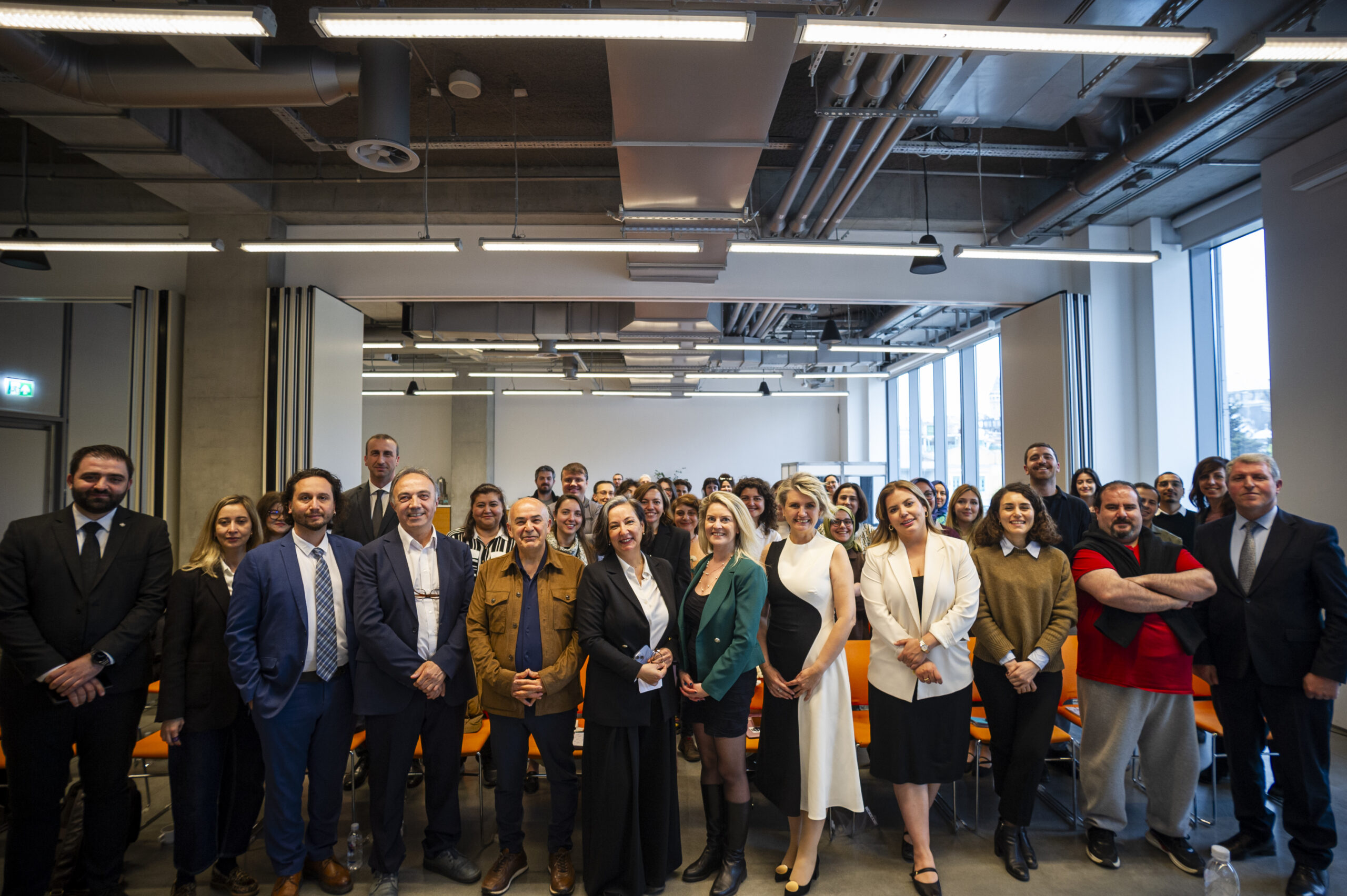
On 4 May in Istanbul, MPG’s Head of Research Başak Yavçan, together with MPG’s Türkiye experts Ayhan Kaya , Mehmet Gökay Özerim, Fulya Memişoğlu presented the latest findings from the Migrant Integration Policy Index (MIPEX) Türkiye country report. The event brought together leading academics and experts to discuss the country’s evolving integration framework and its position within the international landscape.
The Istanbul event marked the main public launch of the findings in Türkiye, following two earlier targeted policy dialogues organised by MPG in partnership with Friedrich Naumann Foundation Türkiye. On 29 April 2026, the results were shared in Ankara during a Diplomatic Dialogue with members of the international community, including diplomats, embassy staff, and representatives of international organisations working on humanitarian aid and development. The following day, on 30 April 2026, MPG held a Local Policy Dialogue in İzmir, bringing together local policymakers, researchers, and international actors in a city that plays a key role as a migration hub. All three events were organised in partnership with the foundation, supporting dialogue across diplomatic, local, and academic levels.
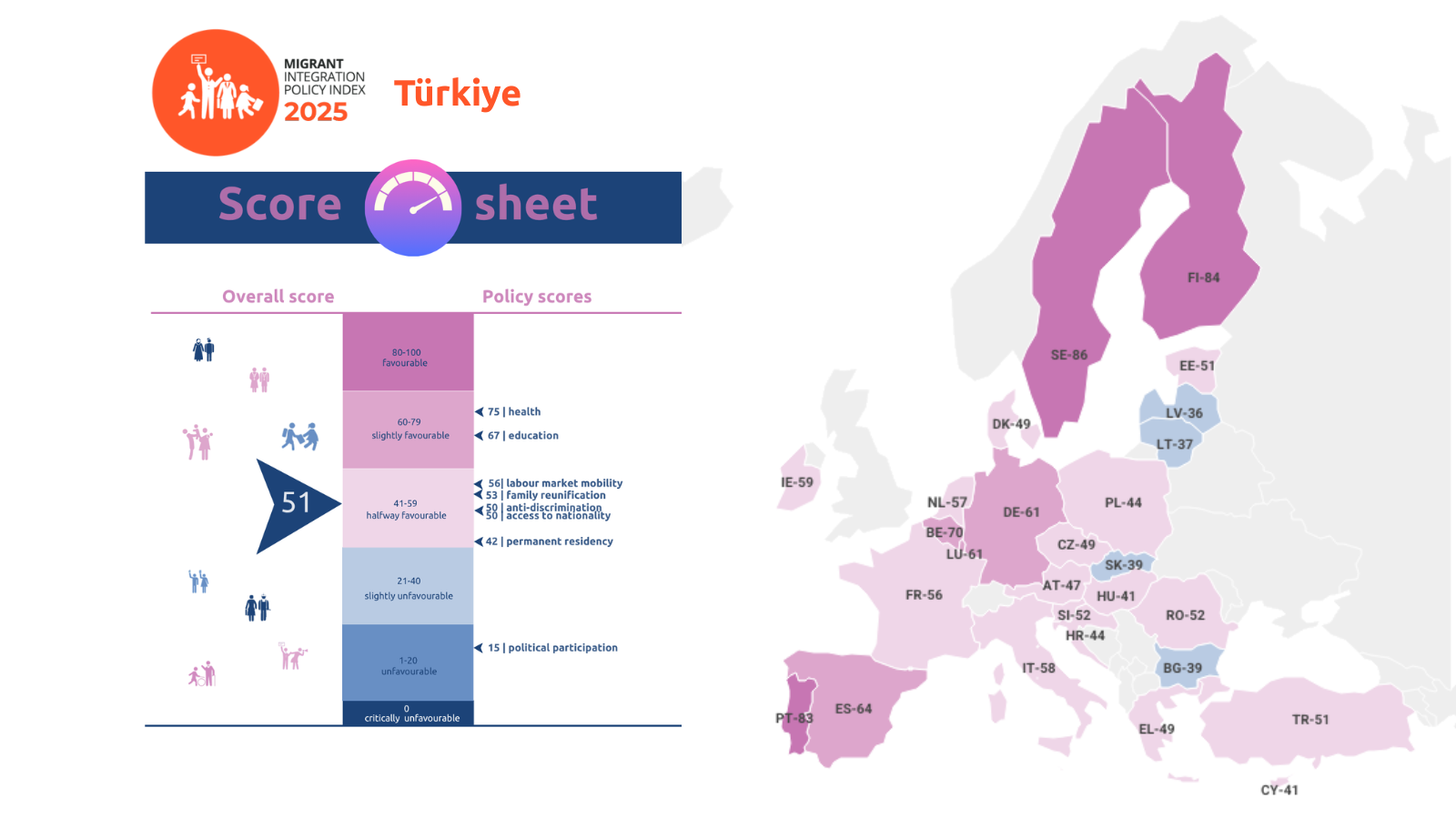
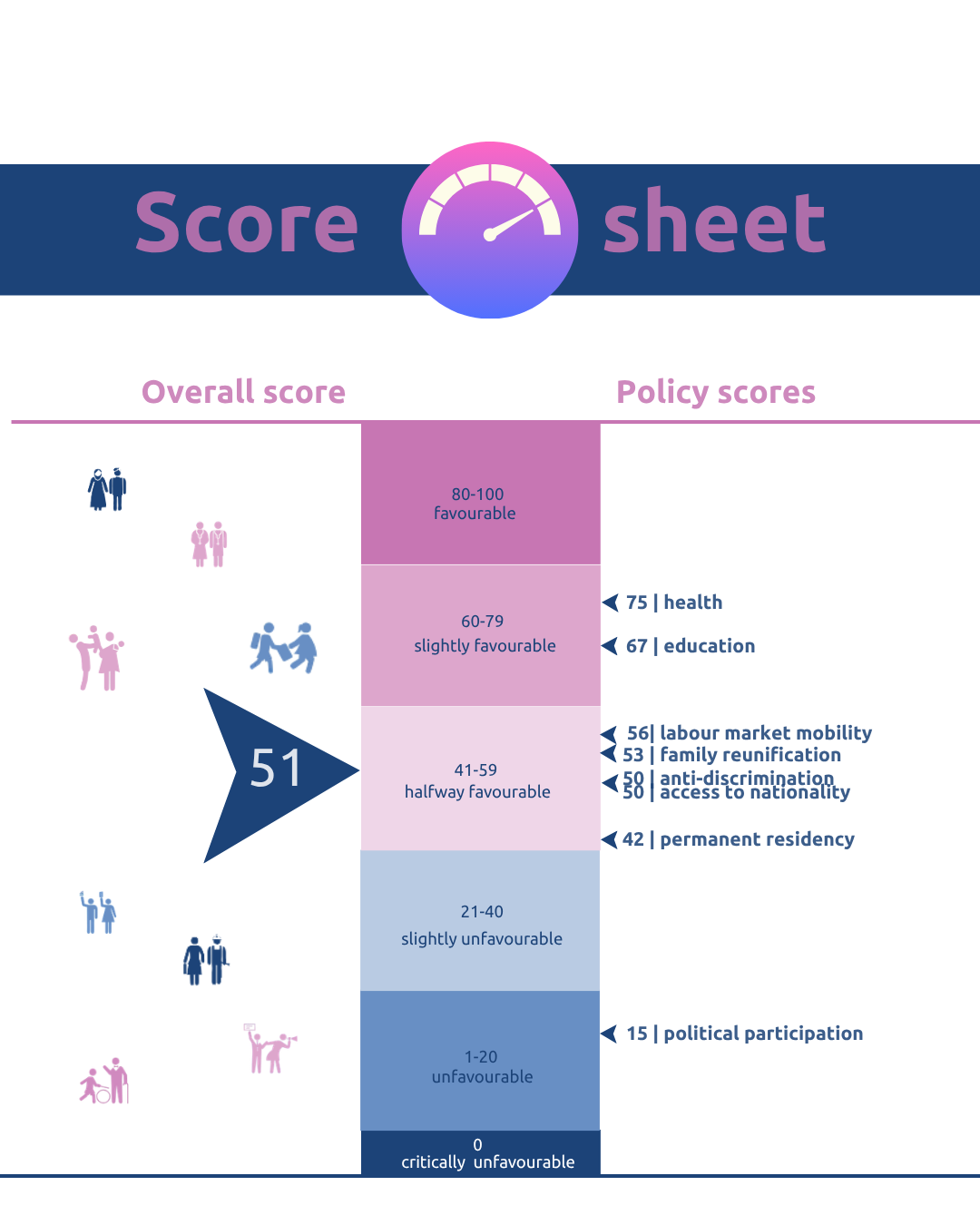
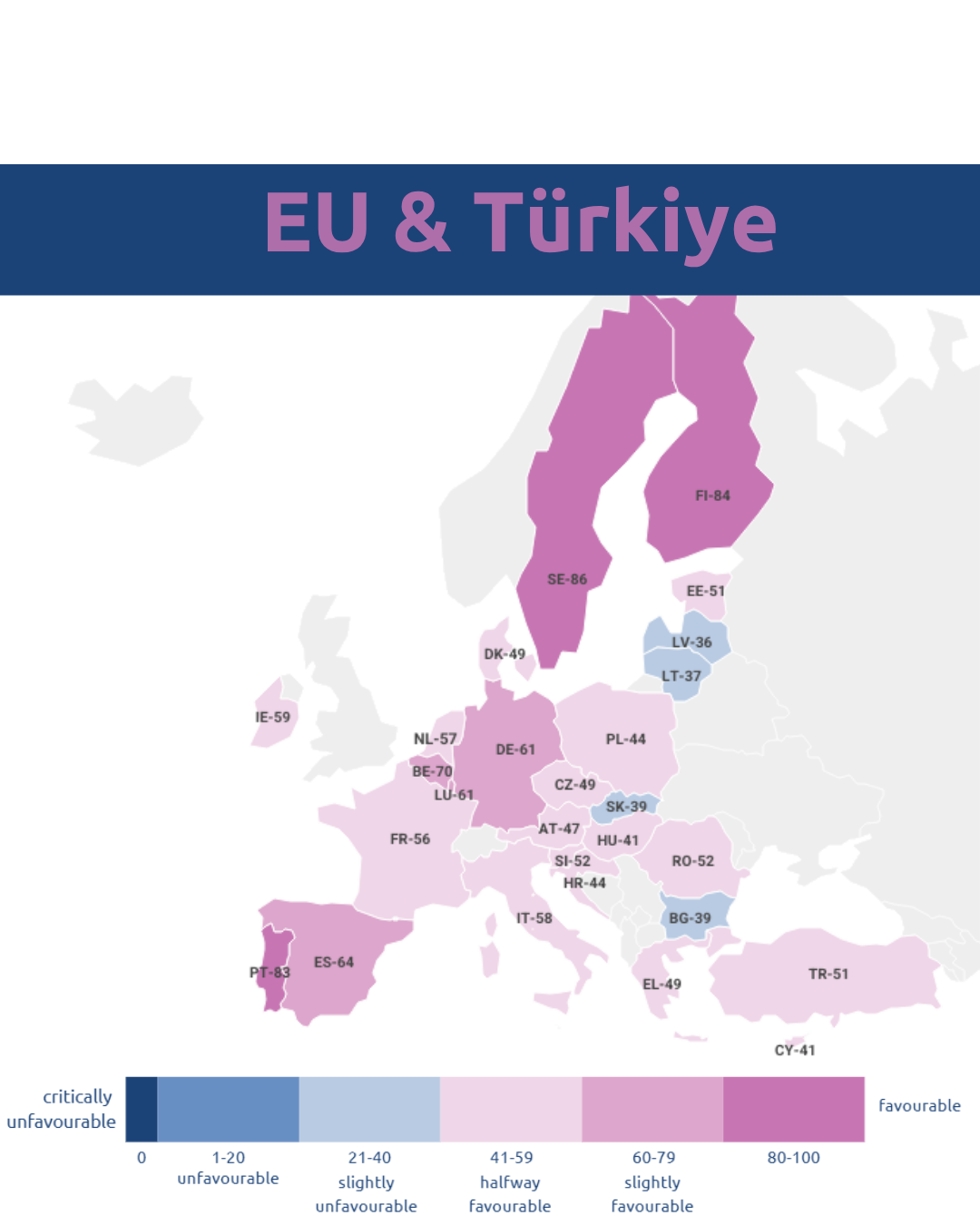
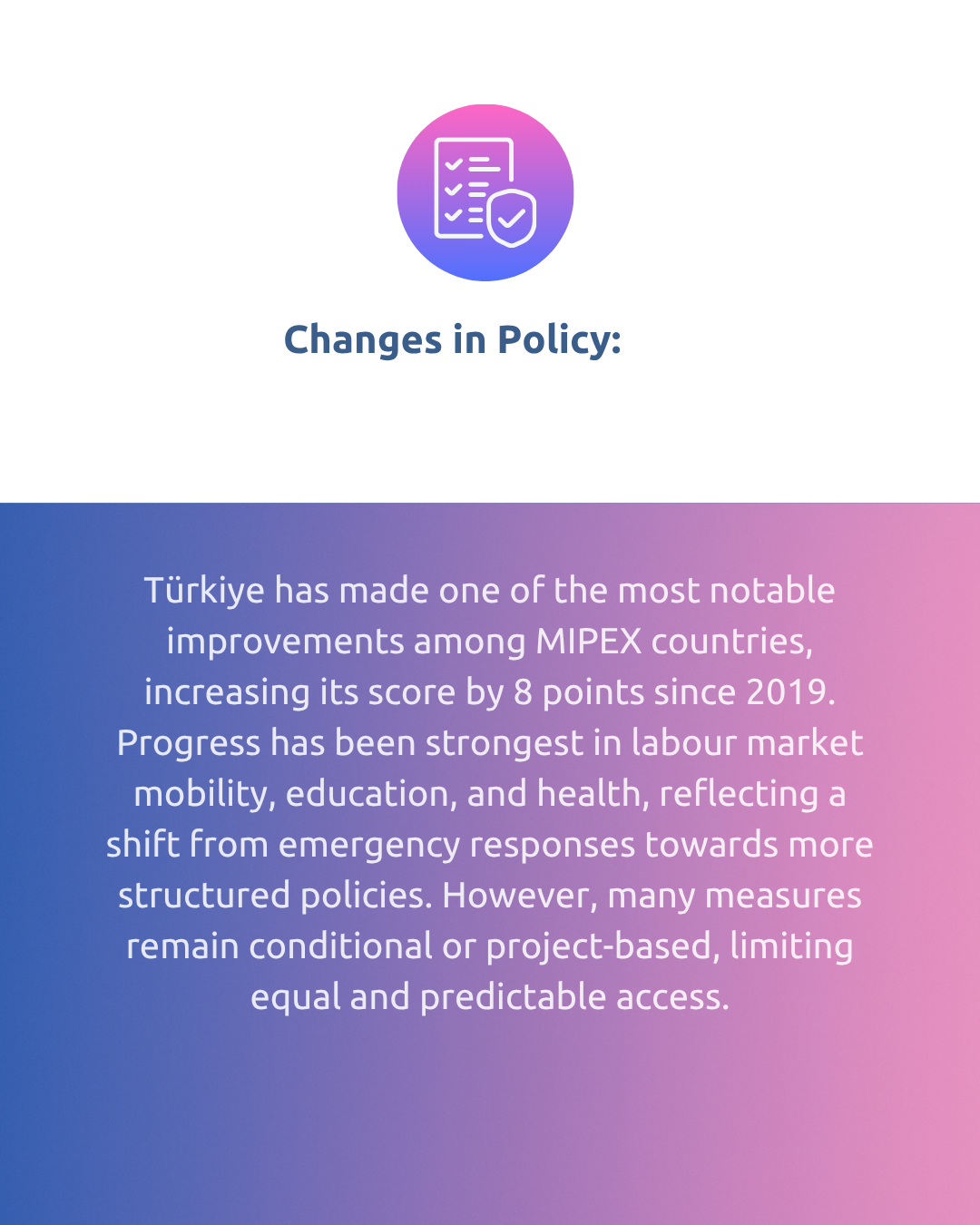
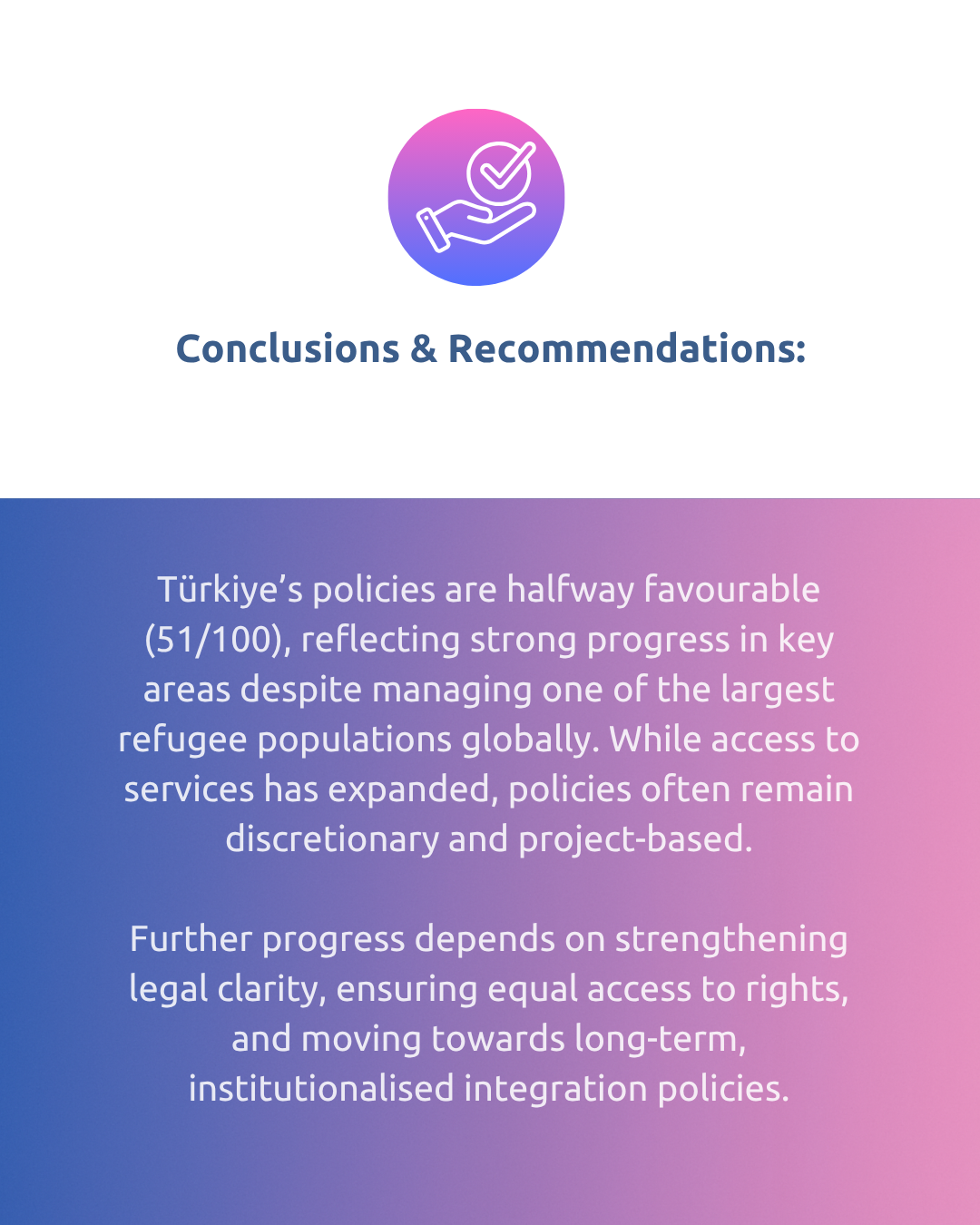
Drawing on the newly released report, presenters highlighted Türkiye’s continued progress in migrant integration policies, with its overall MIPEX score rising from 43 in 2019 to 51 in 2025. This places Türkiye close to the midpoint of MIPEX countries, just below the EU average, and reflects a steady shift from emergency responses towards more structured and institutionalised approaches.

Steady progress in key policy areas
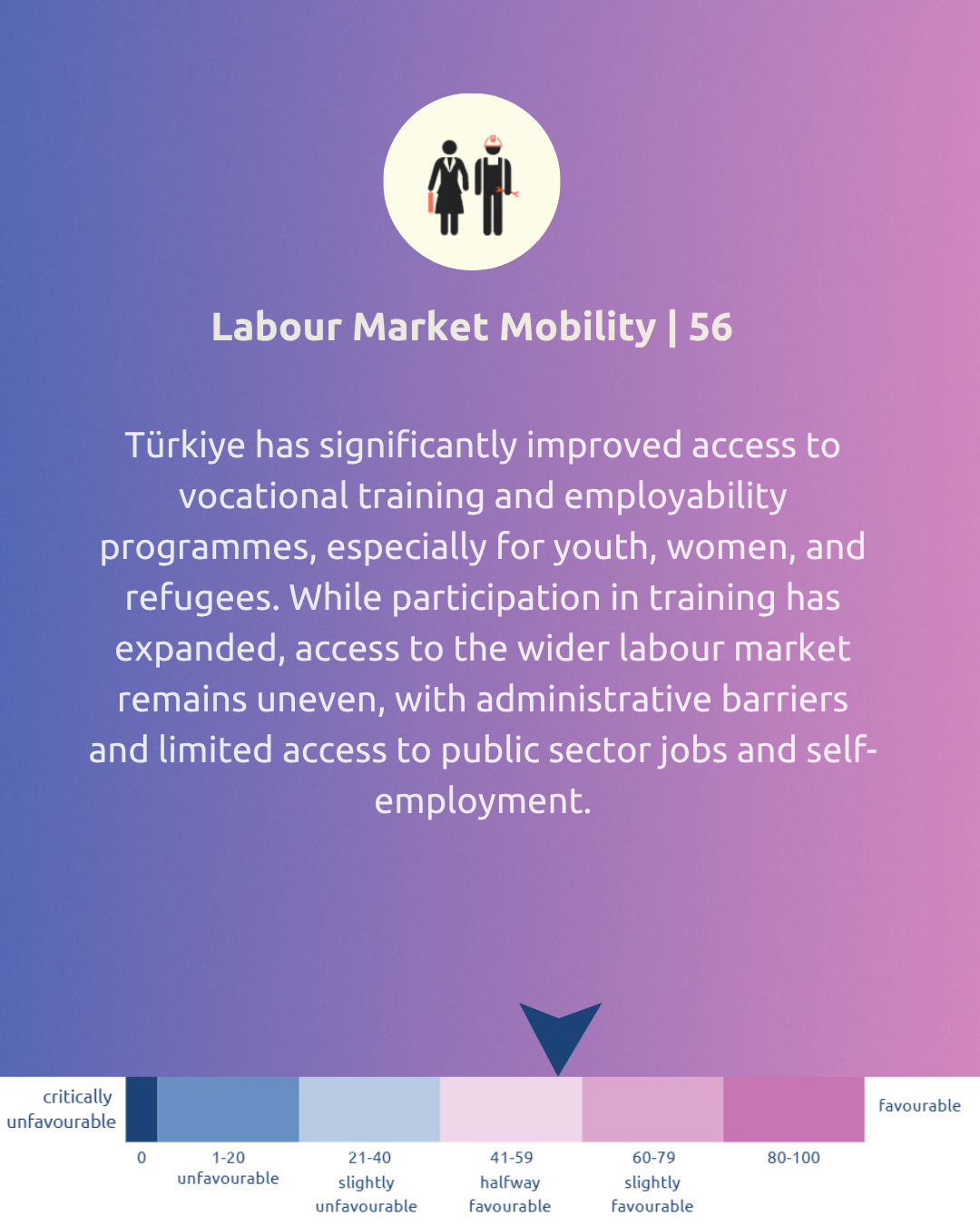
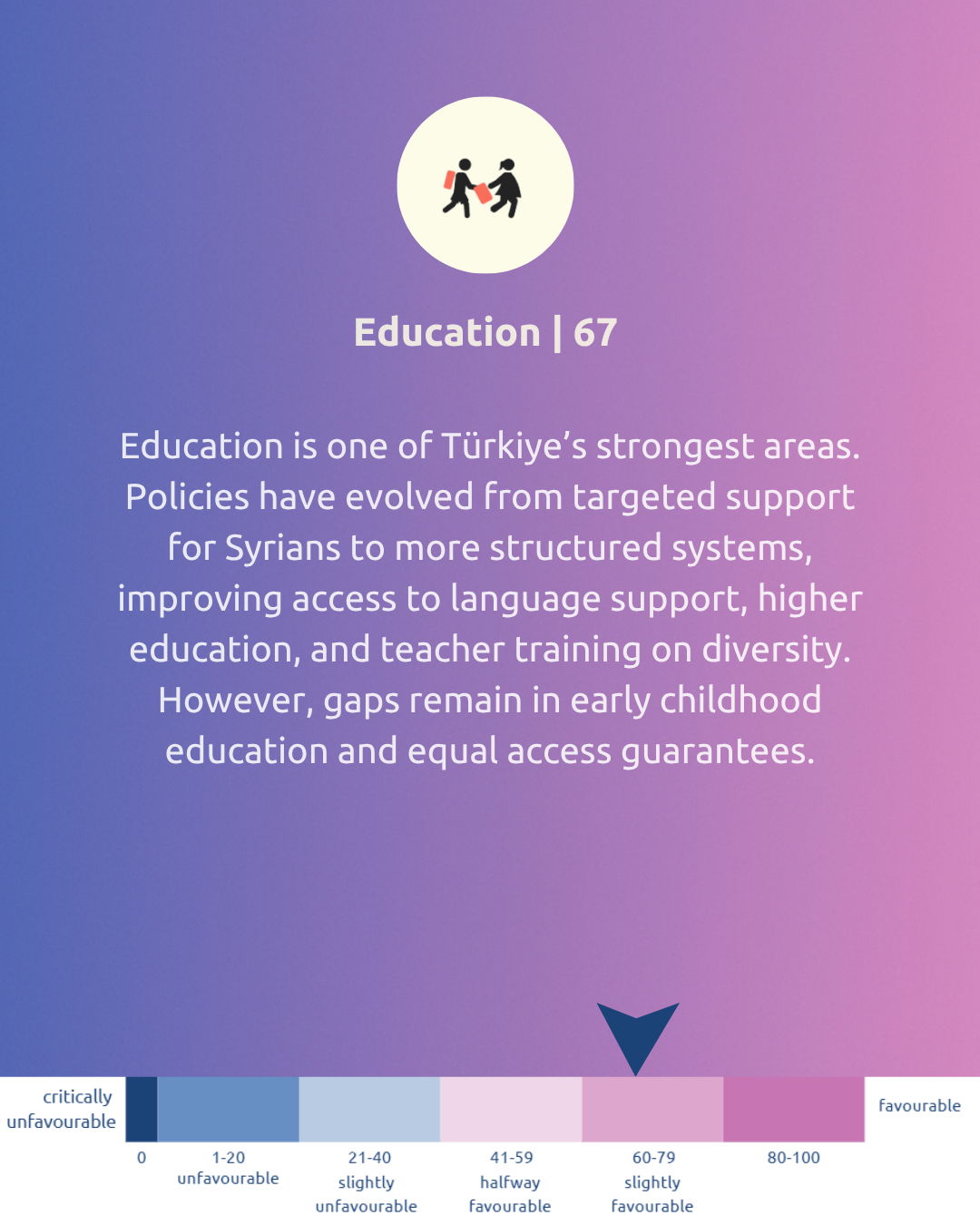
The presentation outlined significant improvements across several dimensions. Labour market mobility saw the most notable increase, driven by expanded access to vocational training and targeted employability programmes, particularly for youth, women, and refugees. Education policies also improved, with stronger efforts to promote diversity in schools, expand language support, and integrate migrant teachers into the system.
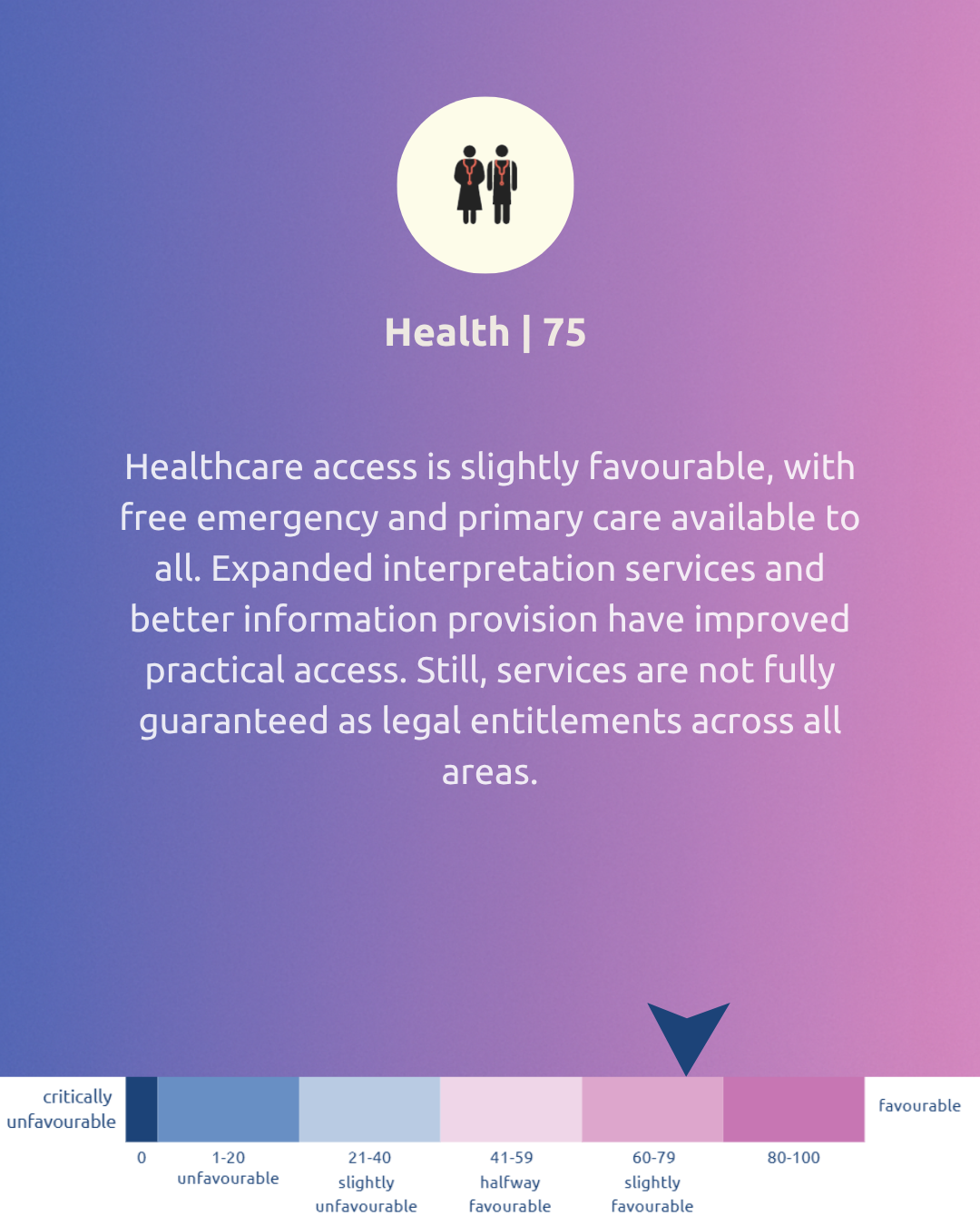
In the health sector, Türkiye has made important strides in improving practical access. Expanded interpretation services, better information provision, and broader inclusion in healthcare systems have contributed to more accessible services for migrants across the country.
These developments reflect a broader trend identified in the report: a move away from short-term, project-based responses towards more consistent and structured policy frameworks.
Persistent structural challenges
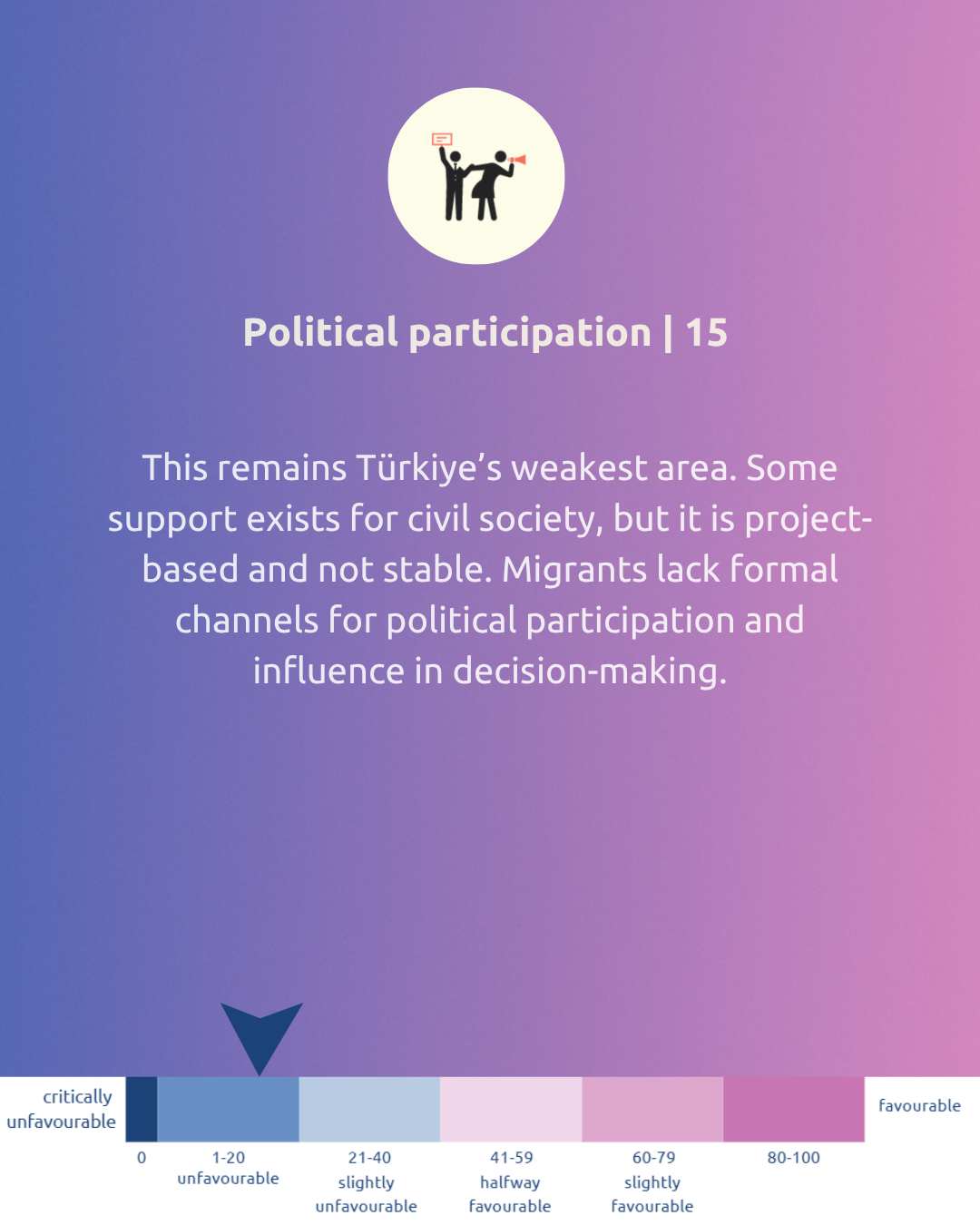
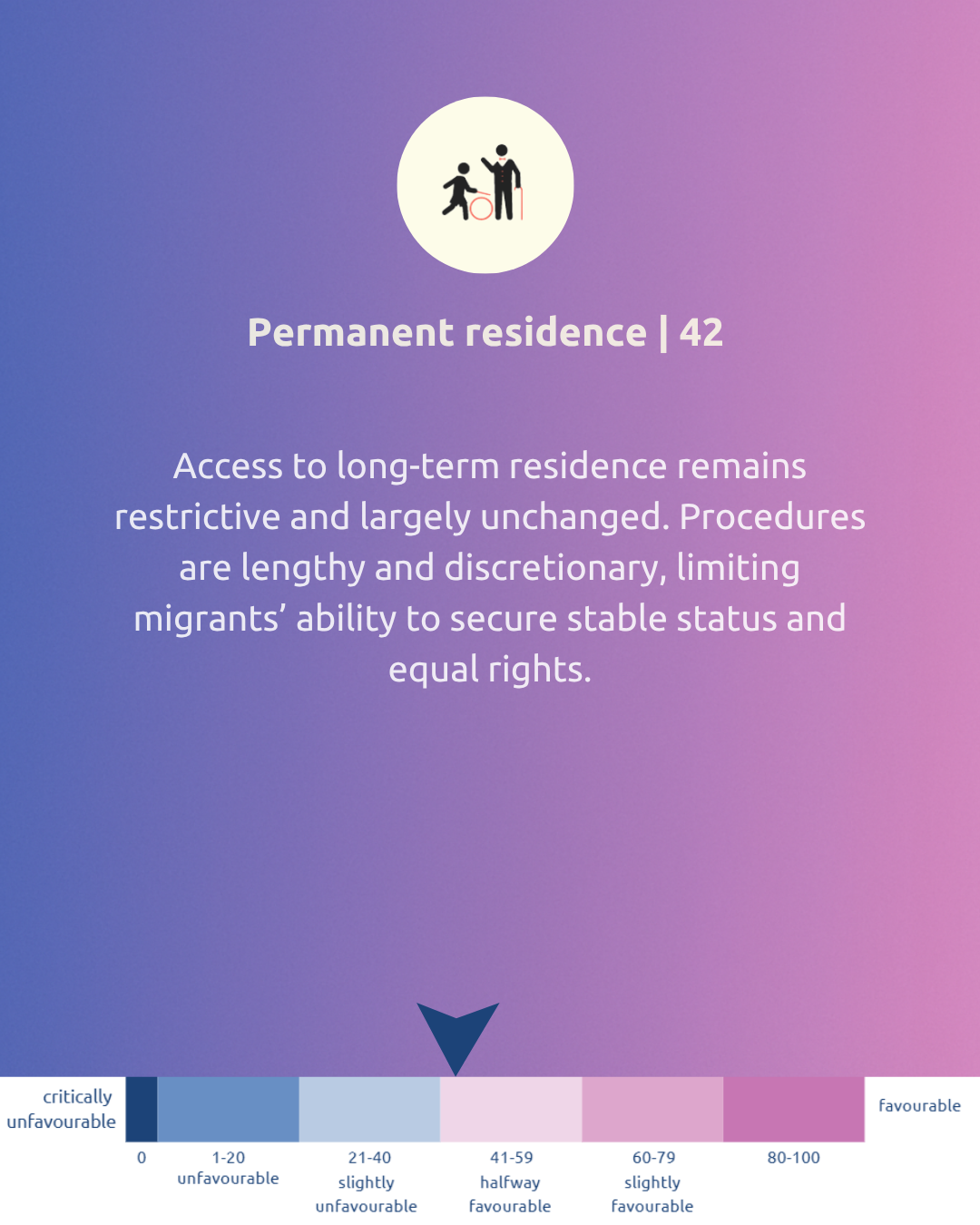
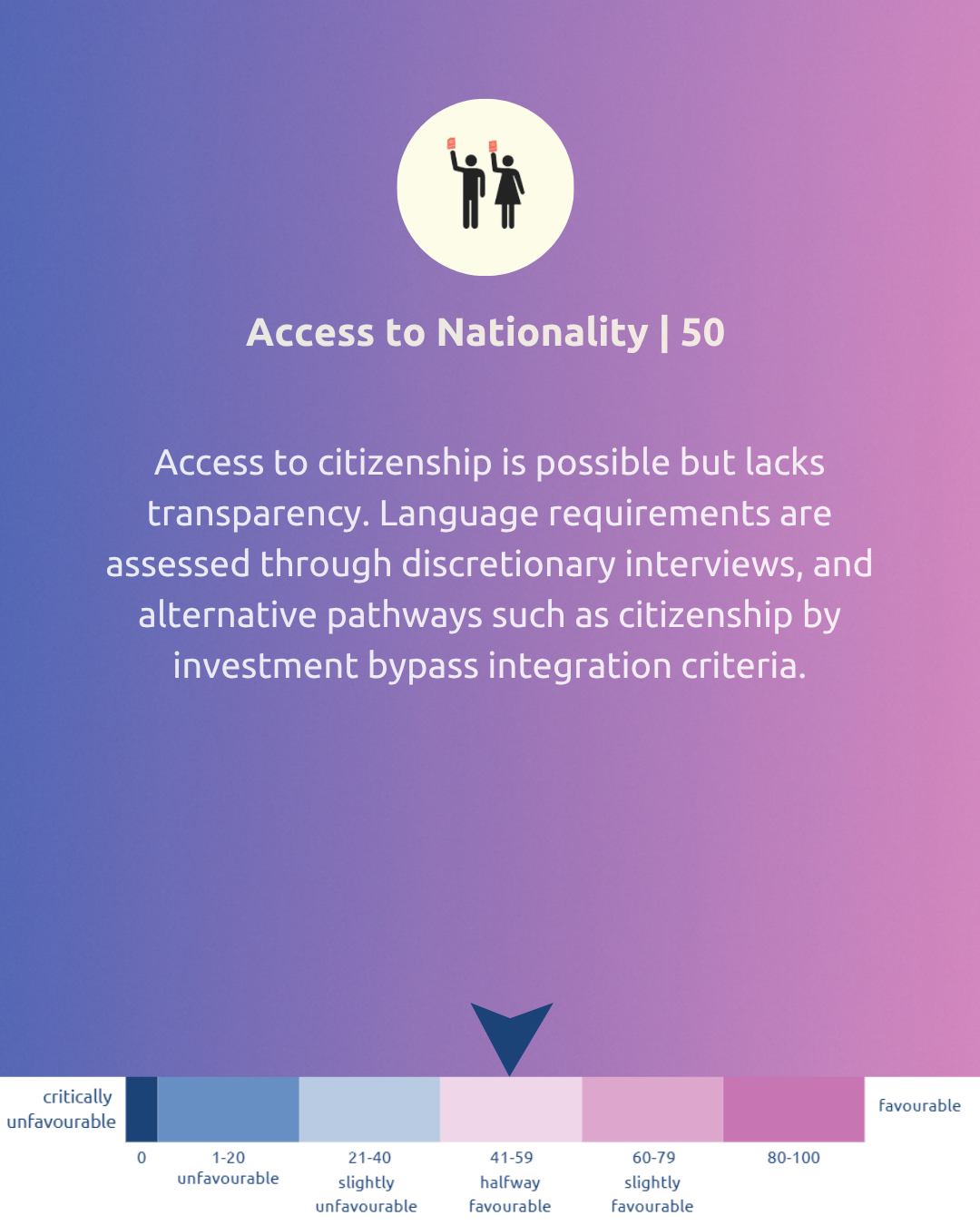
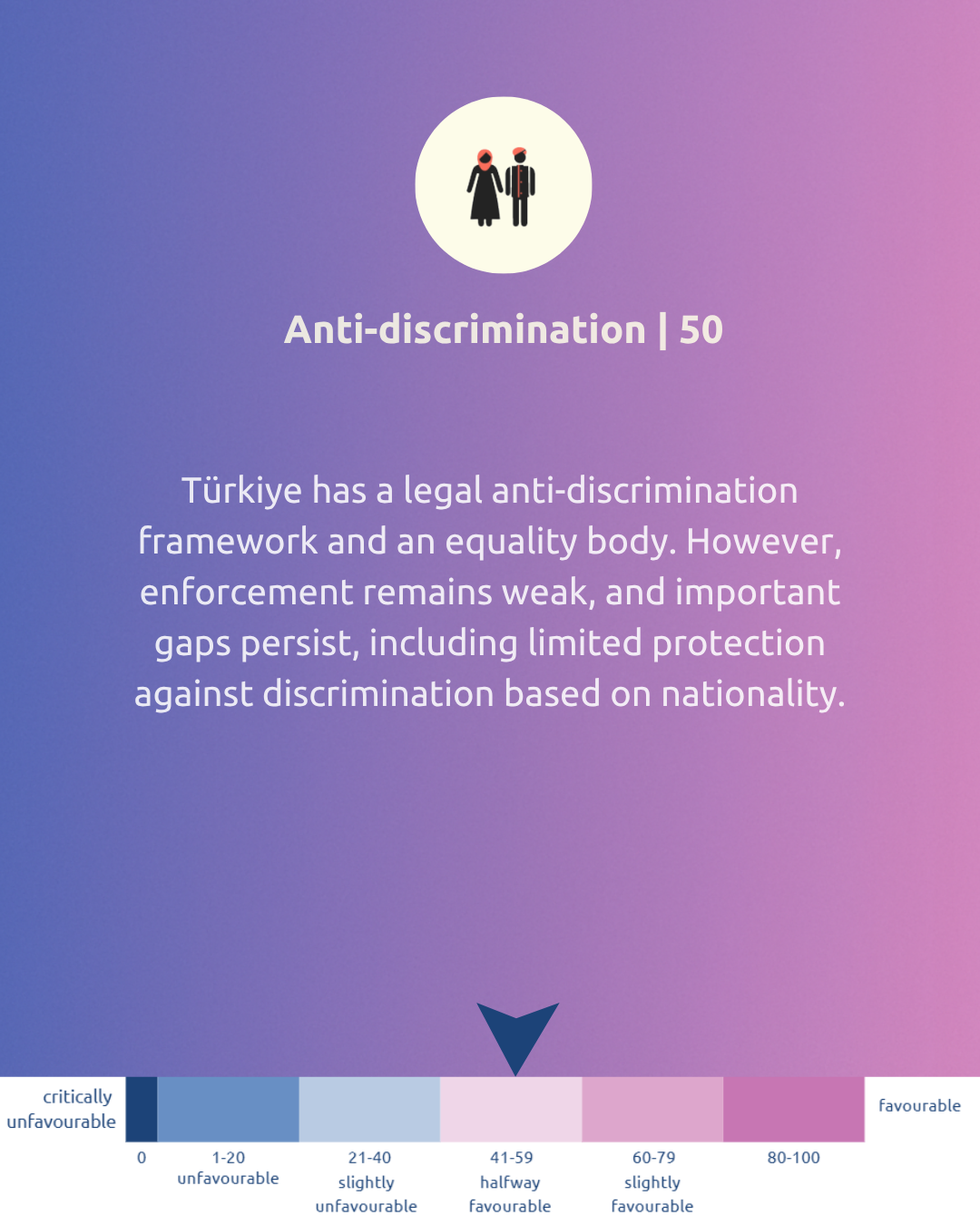
Despite this progress, the findings presented in Istanbul also underline ongoing challenges. Key areas such as political participation, access to nationality, and permanent residence remain restrictive or highly discretionary. Anti-discrimination protections, while legally established, continue to face gaps in implementation and enforcement.
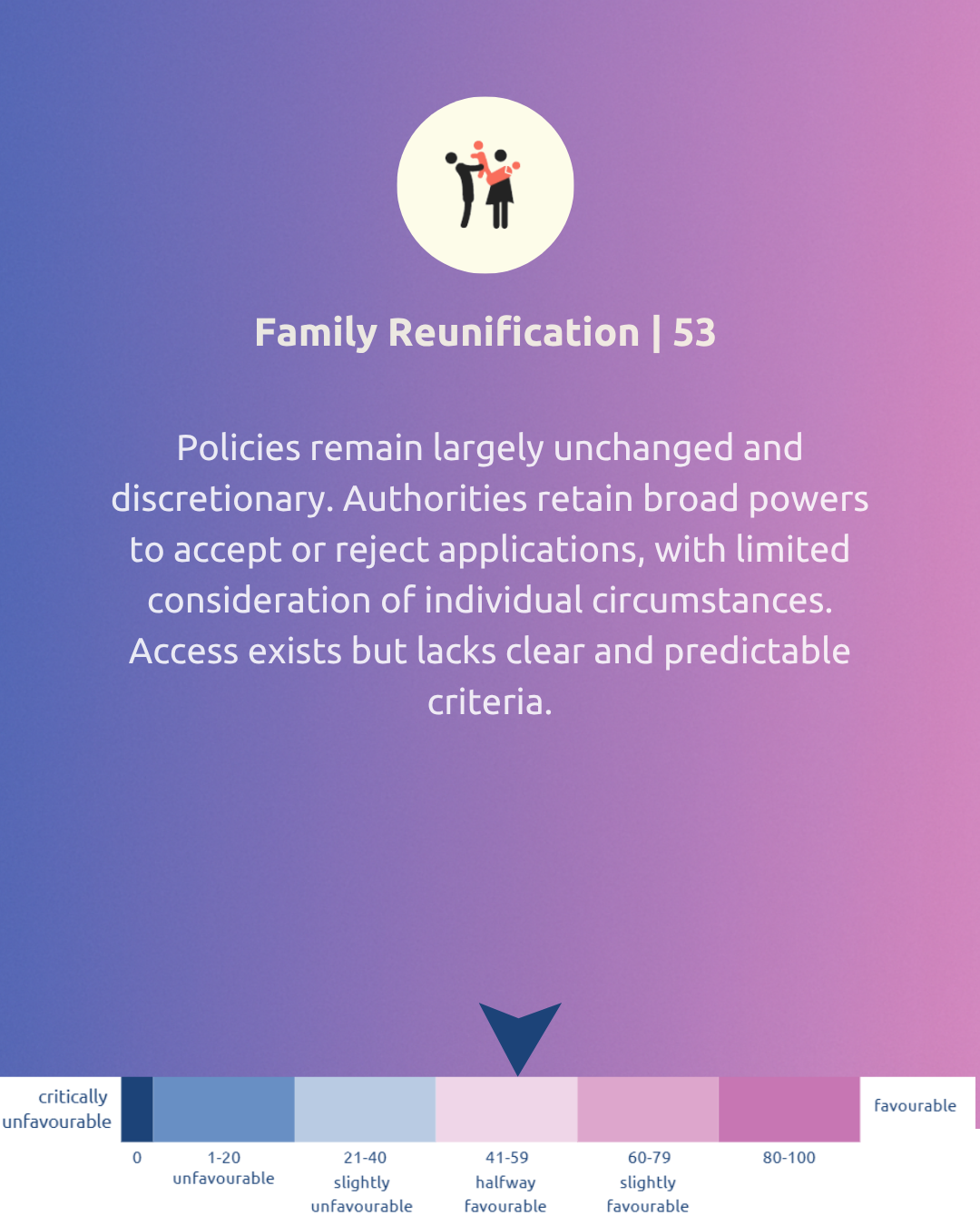
MPG emphasised that the main issue is no longer basic access to services, but rather the consistency, security, and equality of rights across policy areas. Many measures still depend on project-based funding or administrative discretion, limiting their long-term impact and predictability.
From progress to consolidation
A central message of the presentation was that Türkiye’s recent progress represents consolidation rather than a fundamental transformation. While the country has significantly strengthened its integration framework over the past decade, further steps are needed to ensure equal and rights-based access across all areas.
The discussion in Istanbul also highlighted the broader international context. While many countries have seen limited progress in integration policies in recent years, Türkiye’s upward trajectory stands out, particularly given the scale of its refugee population.
Looking ahead
The event concluded with reflections on policy priorities. Key recommendations include reducing discretion in decision-making, scaling up successful programmes into long-term national systems, strengthening labour market access beyond training, and reinforcing anti-discrimination frameworks.
As highlighted during the presentation, more favourable integration policies are closely linked to stronger social cohesion and participation. Türkiye’s experience shows that sustained progress is possible, but also that continued efforts are needed to build a fully inclusive and stable system.
The Istanbul launch marks an important moment in bringing these findings to national stakeholders, contributing to ongoing dialogue on how to strengthen integration policies in Türkiye and beyond.
Publication
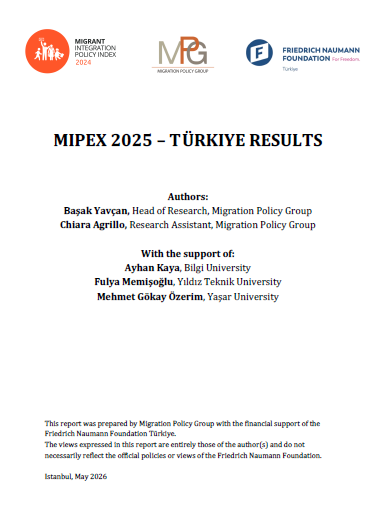
Authors

Başak Yavçan
Head of Research

Chiara Agrillo
Research Intern
MPG’s Türkiye experts:
Ayhan Kaya
Mehmet Gökay Özerim
Fulya Memişoğlu
About the Migration Policy Group (MPG)
MPG is an independent think-and-do-tank based in Brussels. MPG’s purpose is rooted in its ability to inspire networks to provide evidence-based projects, research and campaigns in the areas of integration, migration and anti-discrimination.