Policy brief: From temporary protection to lasting integration – lessons from Central and Eastern Europe, and EU recommendations
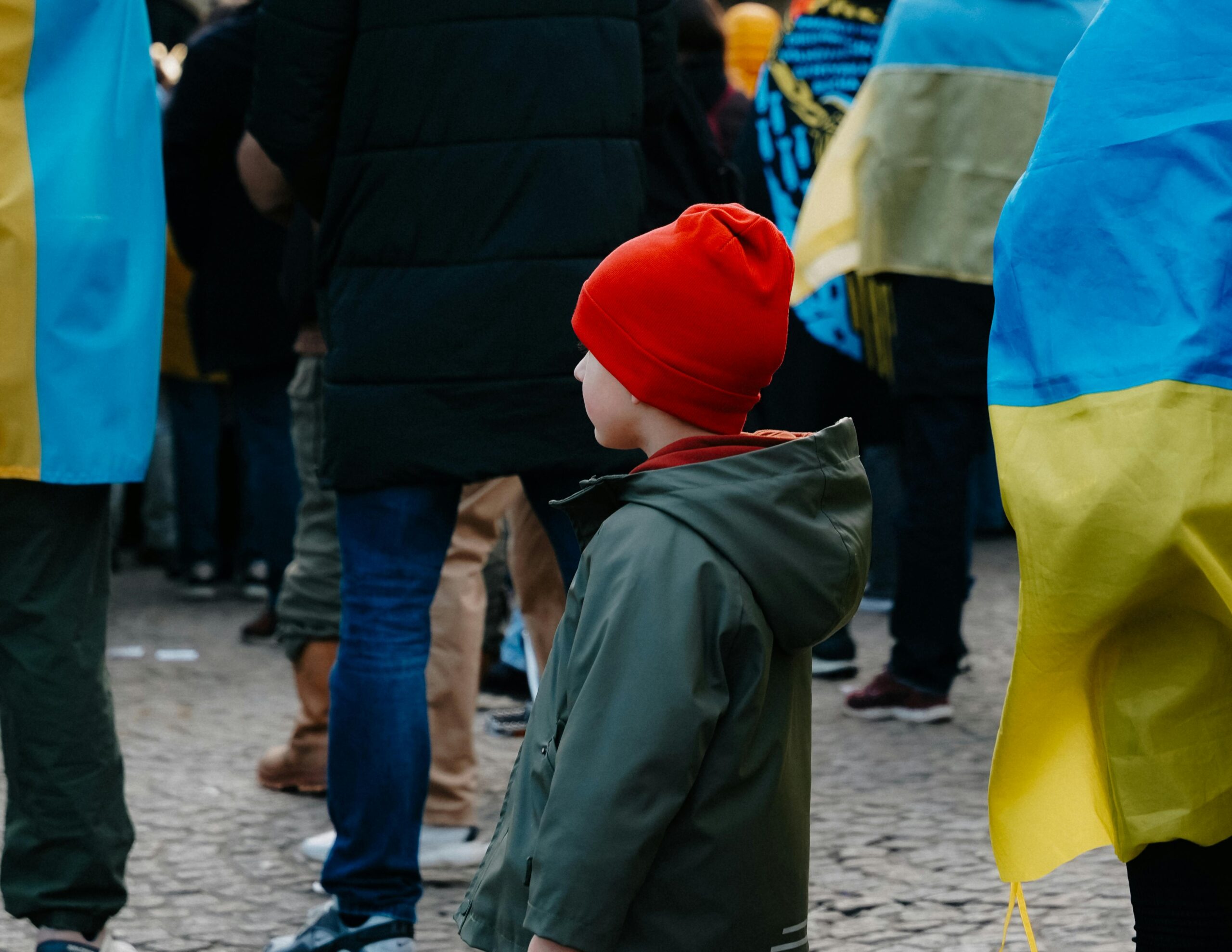
A through-line across the Migrant Integration Through Education (MINTE) project findings is that the temporary nature of the protection status of Ukrainian forced migrants has created an impending uncertainty about their future in the EU. The current, last policy brief which MPG produced as part of MINTE zooms out of the Central and Eastern European countries and uses the lessons learned there in order to delineate EU-level recommendations for moving beyond the temporary protection approach.
The policy brief is especially timely. Calls for a longer-term, more stable approach to the integration of Ukrainian refugees have repeatedly been voiced across the EU, including by MPG and another 108 civil society and humanitarian organisations in March 2025. Just now, in early June 2025, the European Commission (EC), taking also into account these calls, published a much-anticipated proposal for a EU Council recommendation to transition out of temporary protection.
In light of that, the brief engages with the EC recommendation and offers further advice for moving towards longer-term integration solutions, particularly in the case of the forced migrants who choose to stay and unlock their full potential in the EU.
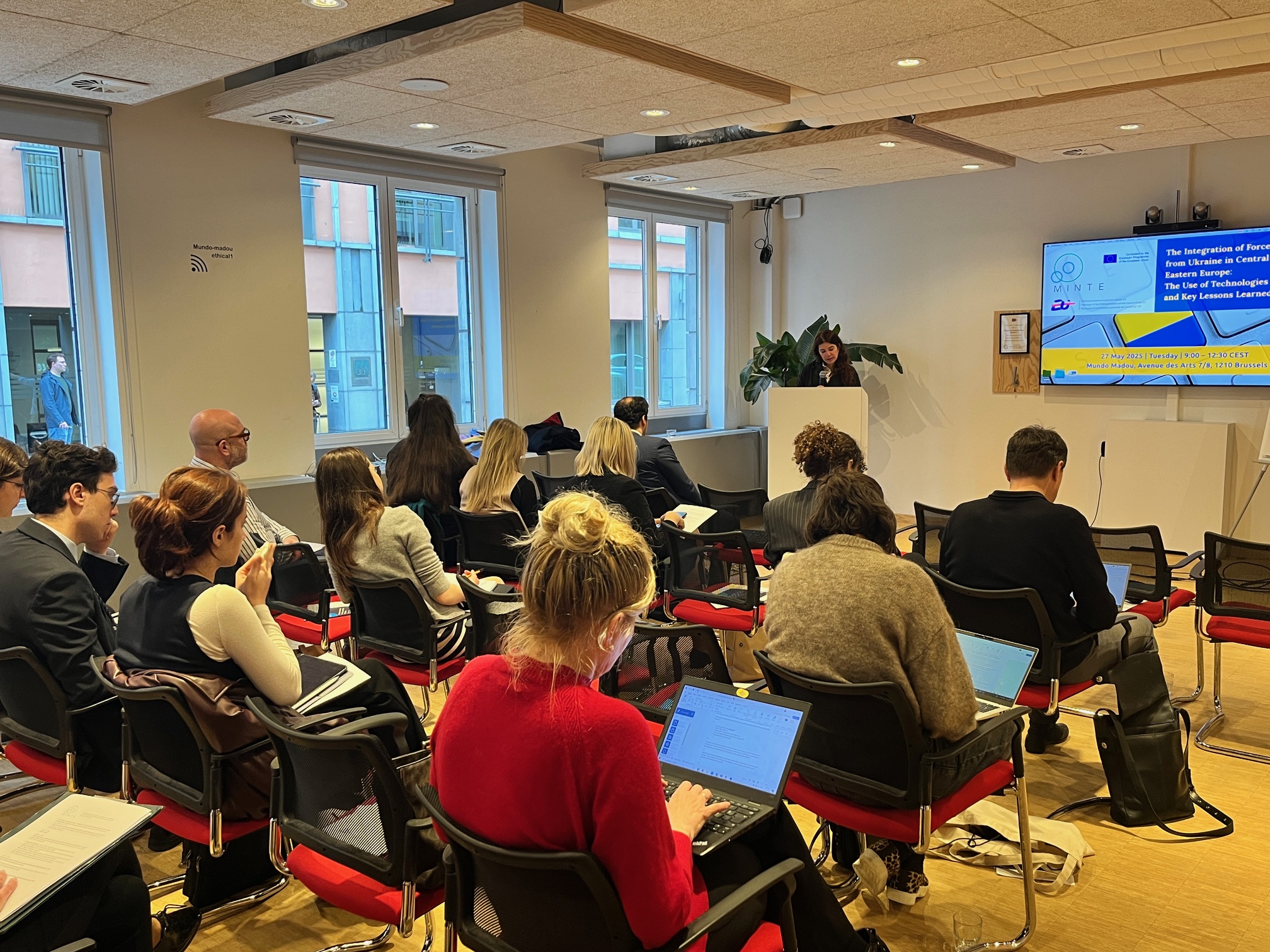
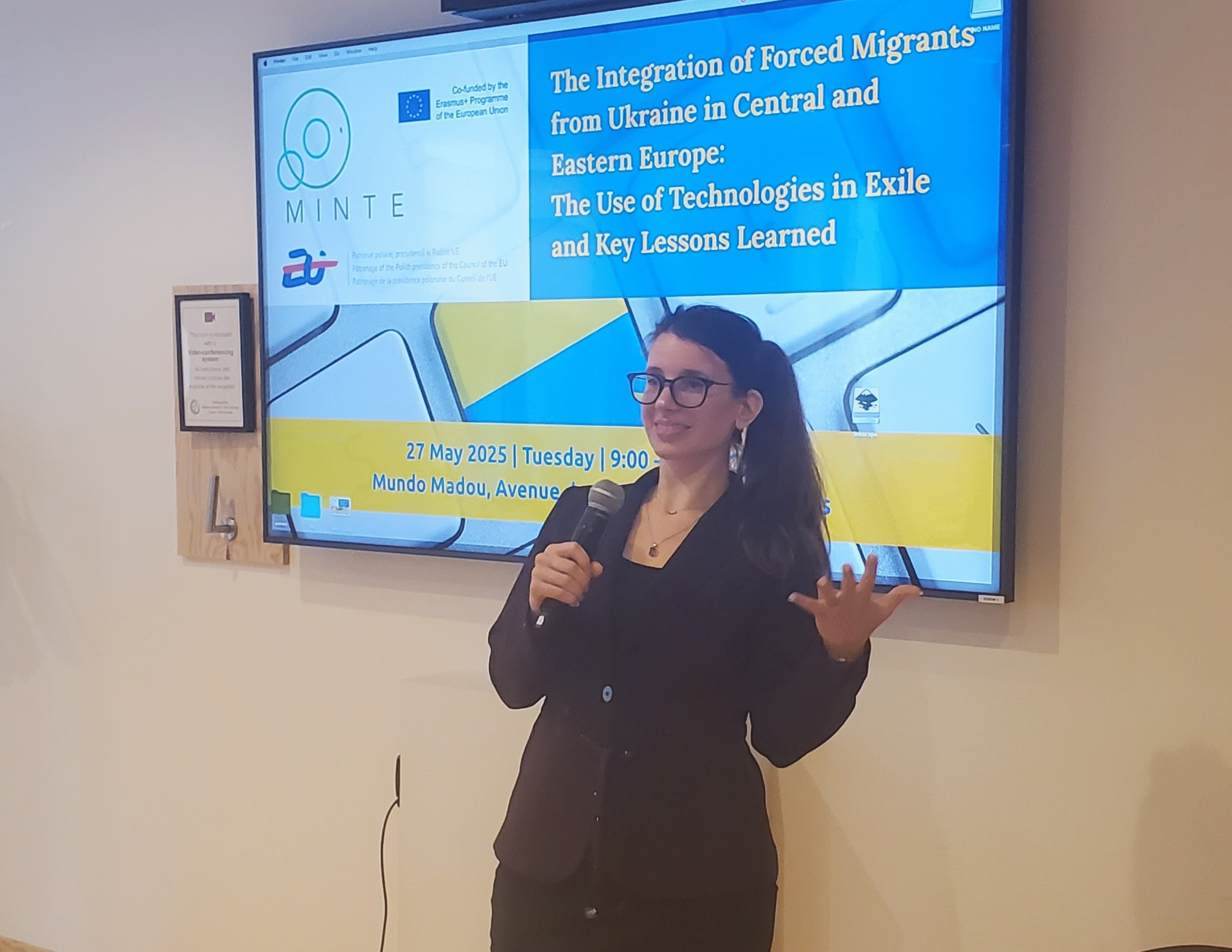
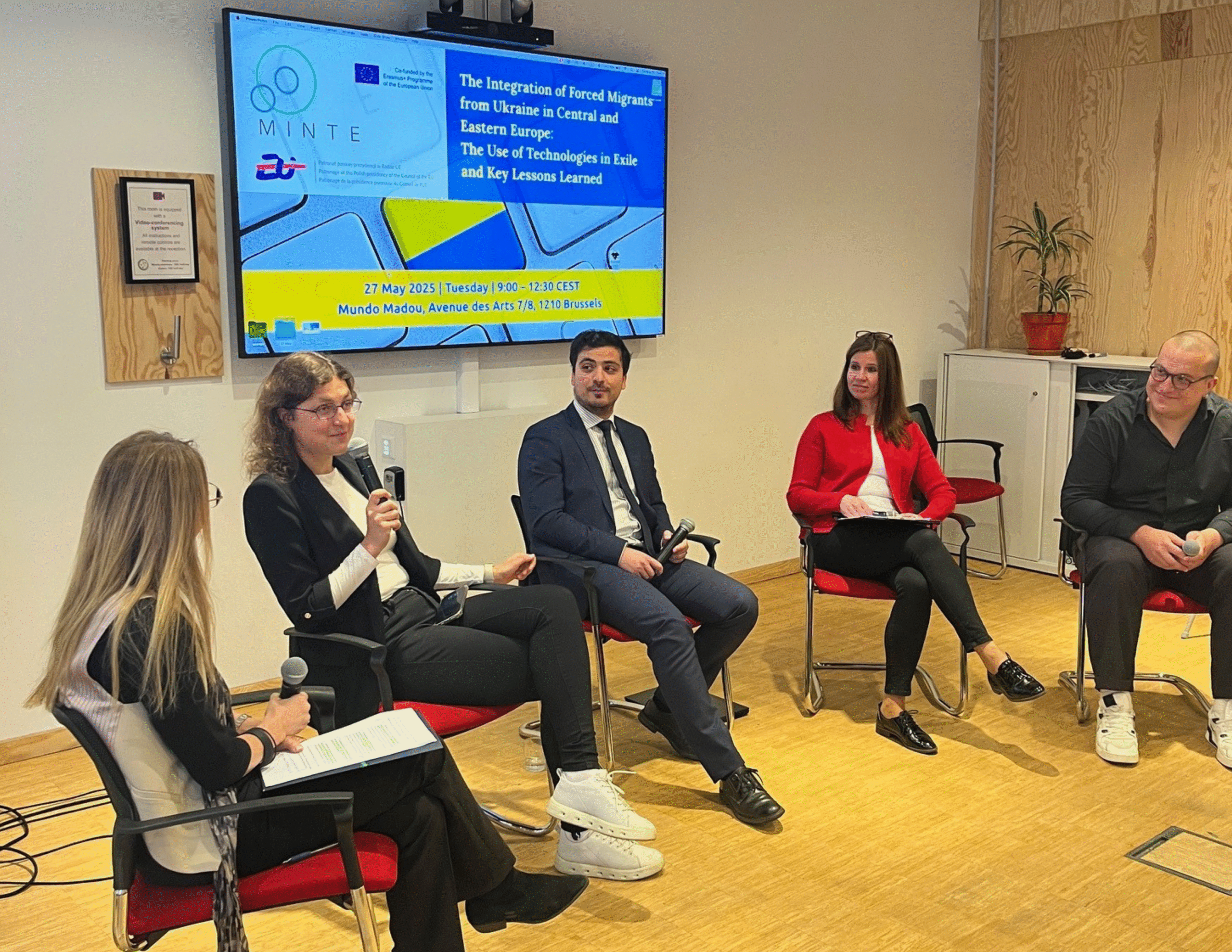
This brief is also the last of the Migrant Integration Through Education (MINTE) project. In late May, MPG already presented some of its preliminary recommendations at a Brussels event which brought together EU policymakers from DG HOME, EU countries’ representatives, as well as civil society and Ukrainian diaspora members. The brief published now also reflects some of the key points shared during the event.
About the project
The MINTE project explores the integration of those displaced from Ukraine. It aims to facilitate the development of workable integration policies for municipalities in the Czech Republic and Poland, and to monitor and learn from good practices related to migrant integration in other European countries and Israel. MINTE also investigates migrants’ digital skills in relation to their integration within EU localities, and specifically in Central and Eastern European countries. The project additionally queries the role of technologies in migration and at border spaces, and how migrants interact with them. The MINTE outputs range from reports, academic publications and an upcoming book, to interactive teaching materials and an online game meant to help educate stakeholders and the larger public about forced migration.
The project is funded with support from the European Commission under the Erasmus+ Programme.
For more information about the event, please contact Gergana Yovova at gyovova@migpolgroup.com.
About the Migration Policy Group (MPG)
MPG is an independent think-and-do-tank based in Brussels. MPG’s purpose is rooted in its ability to inspire networks to provide evidence-based projects, research and campaigns in the areas of integration, migration and anti-discrimination.