Policy Forum “Unlocking Integration – Enabling Participation” – Key Insights of MIPEX 2025 Results

On Thursday, 25 September 2025, MPG welcomed policymakers, researchers, civil society leaders, migrant representatives, and journalists to the Press Club Brussels Europe and online for the official launch of the Migrant Integration Policy Index 2025 and a high-level policy forum on the future of integration in the EU.
The event, part of MPG’s New Europeans Initiative funded by the EU’s Citizenship, Equality, Rights and Values (CERV) programme, offered new data and space for critical debate on how Europe can build fairer, more inclusive societies.
Setting the Scene – A Call for Inclusive Policies
Opening the conference, Isabelle Chopin, MPG Director, addressed the political urgency behind integration:
“In the current climate of rising populist movements that support exclusive rather than inclusive policies, we need to maintain a steadfast commitment to integration policies, which is more important than ever. Integration is not just a technical exercise – it’s a political choice that shapes equality, social cohesion, and democratic trust.”

MIPEX 2025: A Gold Standard for Measuring Integration
The launch was marked by a special message from Magnus Brunner, EU Commissioner for Internal Affairs and Migration, congratulating the teams behind the new MIPEX edition:
“With numerous indicators across 8 policy areas in 56 countries, MIPEX sets the gold standard for measuring migrant integration worldwide.”
He stressed that EU-supported data such as MIPEX offers policymakers, civil society, and researchers an essential evidence base, adding:
“The results show both progress and challenges: diverging integration outcomes across Europe and rising political tensions. That’s why evidence-based policies are more important than ever – to foster inclusion, strengthen social cohesion, and unlock migrants’ contribution to Europe’s growth.”
New Findings: Progress and Persistent Barriers
Presenting the MIPEX 2025 results, Başak Yavçan, MPG’s Head of Research, highlighted key observations:
- Key EU-level findings
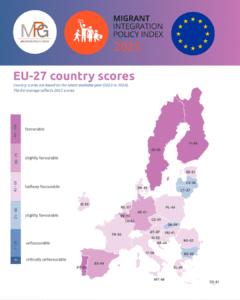
- Overall score: 54/100 – little movement since 2019 (+0.8 points). Strengths: anti-discrimination (78), permanent residence (61), labour market (55). Weaknesses: political participation (37), access to nationality (44), education (50).
- Leaders: Sweden, Finland, Portugal. Majority of countries are only “halfway favourable.”
- EU-14 vs. EU-13 gap: 63 vs. 44, reflecting longstanding divergence in frameworks and opportunities.
- Trends 2019–2023: Gains in education (+3), labour market (+1), anti-discrimination (+1); declines in citizenship (–1) and political participation (–1); marginal change in permanent residence (–0.1).
- Ukraine spillovers: Positive but limited boosts to translation, multilingual guidance, and targeted school support in several Eastern Member States.
- Harmonisation of integration policies is crucial for the implementation of the EU Pack on Migration and Asylum.
The 2025 MIPEX results offer the most up-to-date comparative picture of integration across the 27 EU Member States, assessing eight key areas: labour market mobility, family reunification, education, political participation, permanent residence, access to nationality, anti-discrimination, and health.

Policy Debates – From Evidence to Action
Two panels brought together EU and national policymakers, international organisations, and migrant-led networks:
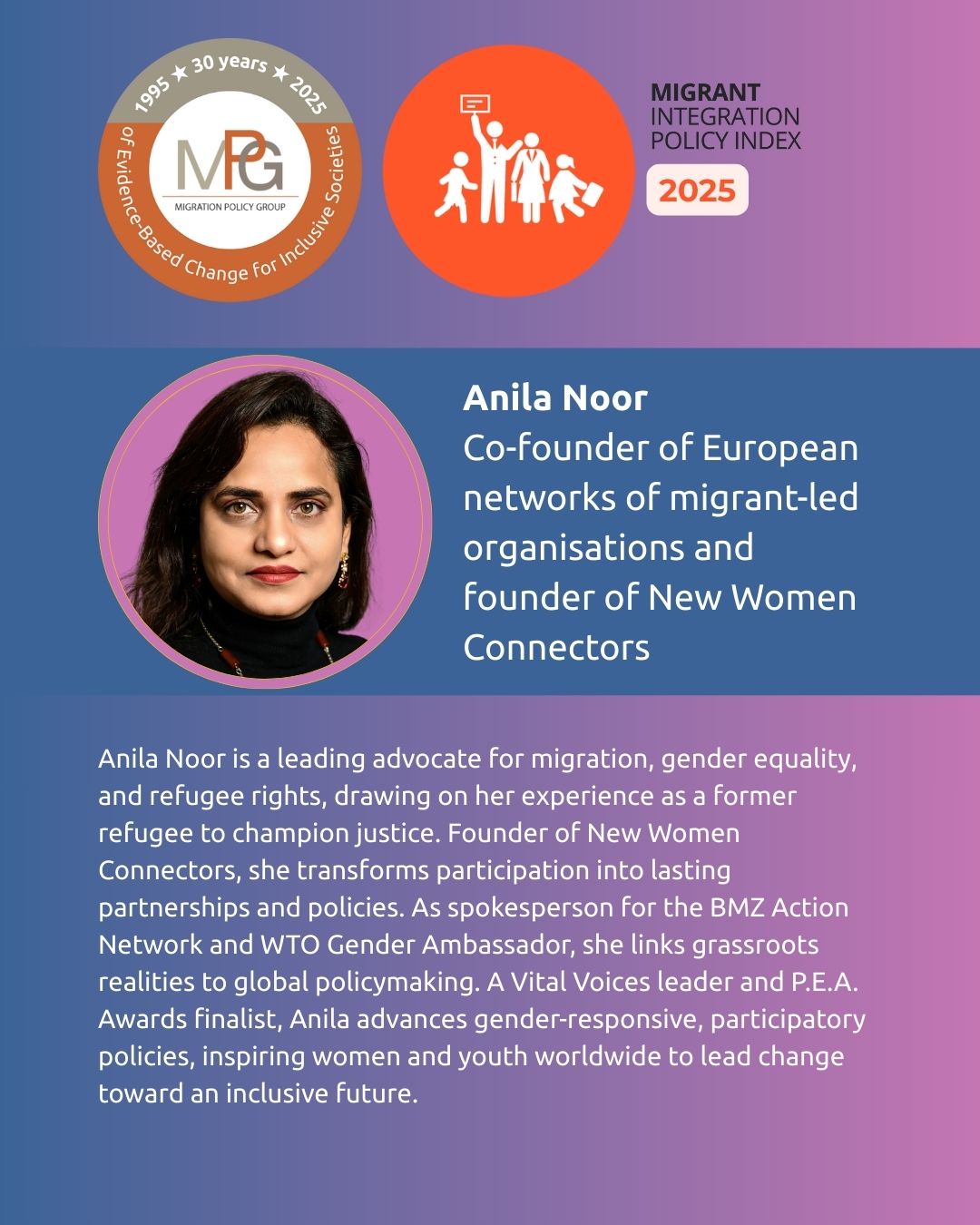
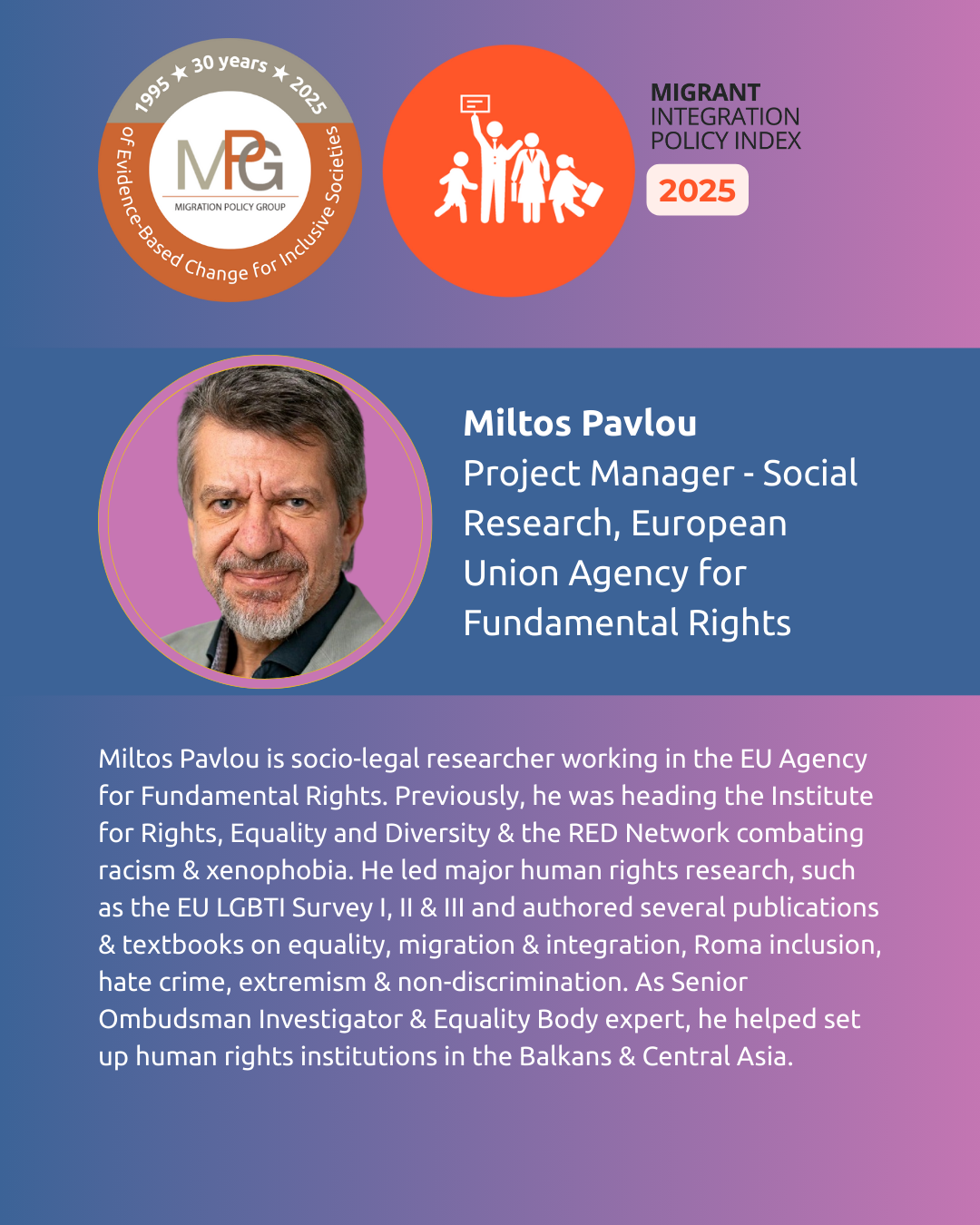
- Raising standards, closing the gaps explored how to overcome fragmented integration frameworks and foster stronger, transnational policy approaches (Aurélie Belzunces, European Commission, Head of Sector on Integration, Directorate General for Migration and Home Affairs; Rita Marascalchi, Council of Europe, Head of Intercultural Inclusion Unit, Directorate General of Democracy and Human Dignity; Anilla Noor, Co-founder of European networks of migrant-led organisations and founder of New Women Connectors; Miltos Pavlou, Project Manager – Social Research, European Union Agency for Fundamental Rights; Tineke Strik, Member of the European Parliament, Greens, Netherlands).
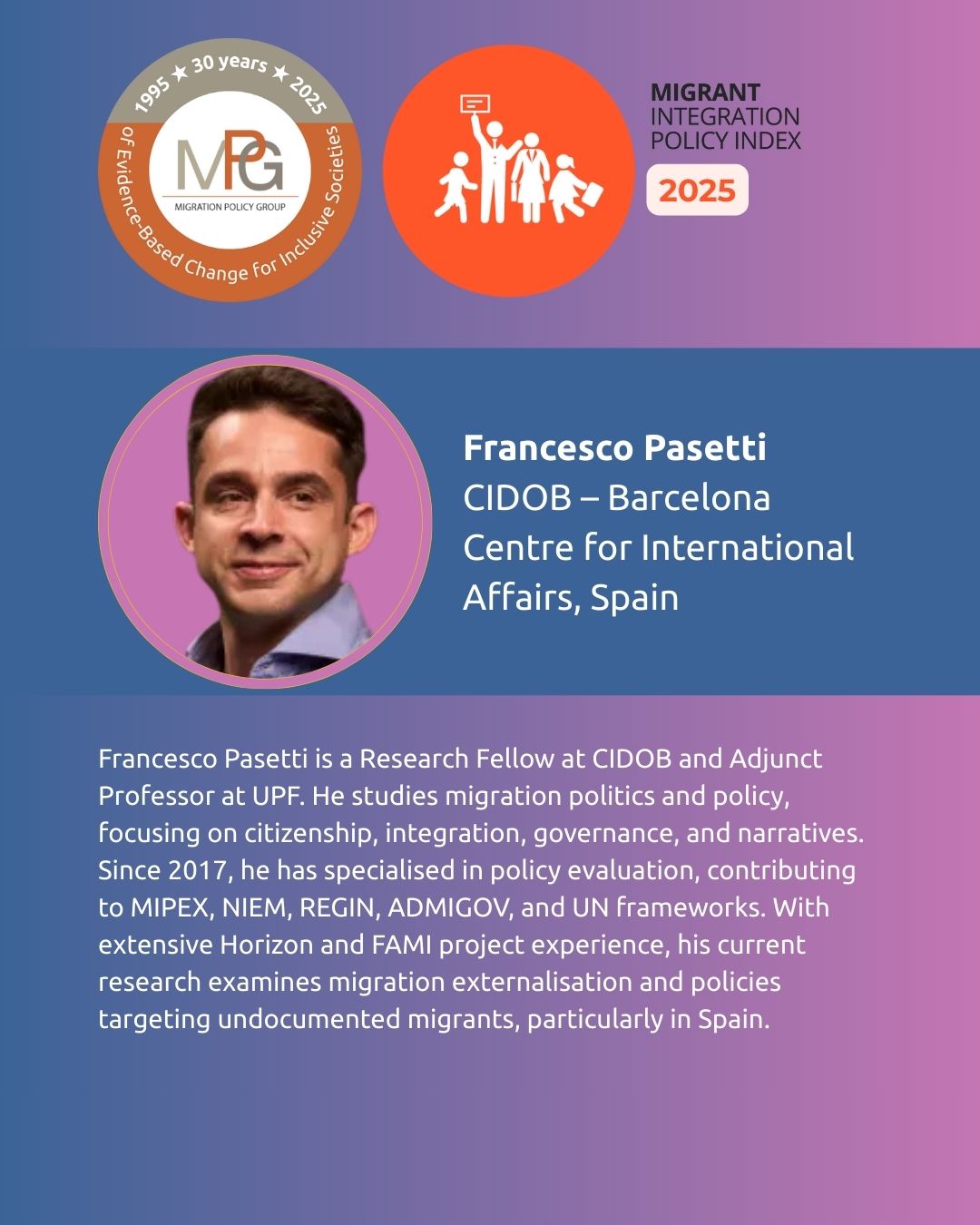
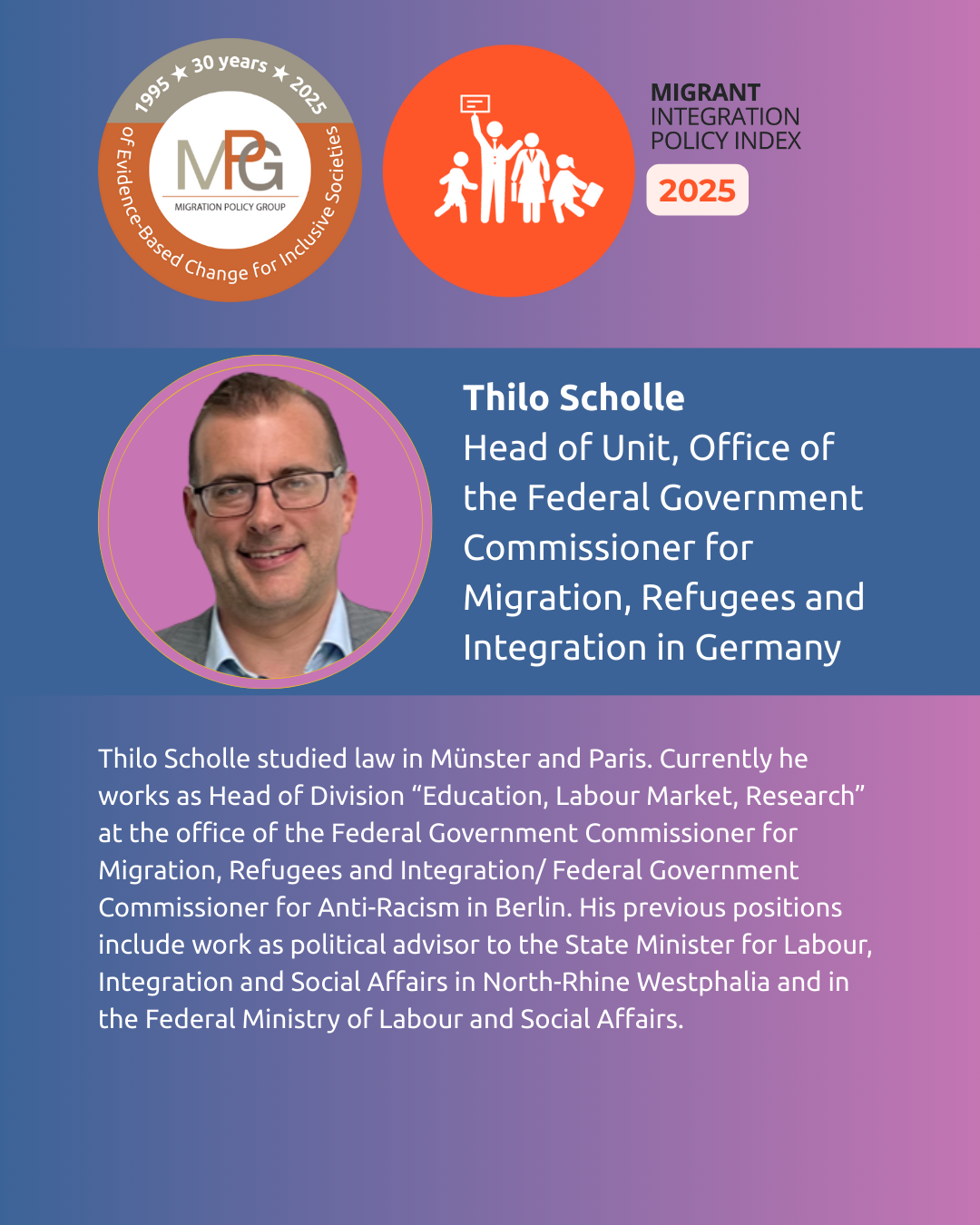
- Policy exchange: Learning from exemplary reforms and setbacks examined national trends from Germany, Ireland, Poland, Portugal, and Spain, with discussion on access to nationality, political participation, labour market mobility, education, and anti-discrimination (Doncha O’Sullivan, Deputy Secretary at the Department of Justice, Home Affairs and Migration in Ireland; Francesco Pasetti, CIDOB – Barcelona Centre for International Affairs, Spain; Sónia Pereira, Migration Specialist, Former High Commissioner for Migration in Portugal; Thilo Scholle, Head of Unit, Office of the Federal Government Commissioner for Migration, Refugees and Integration in Germany; Renata Stefańska, Centre of Migration Research, University of Warsaw, Poland).
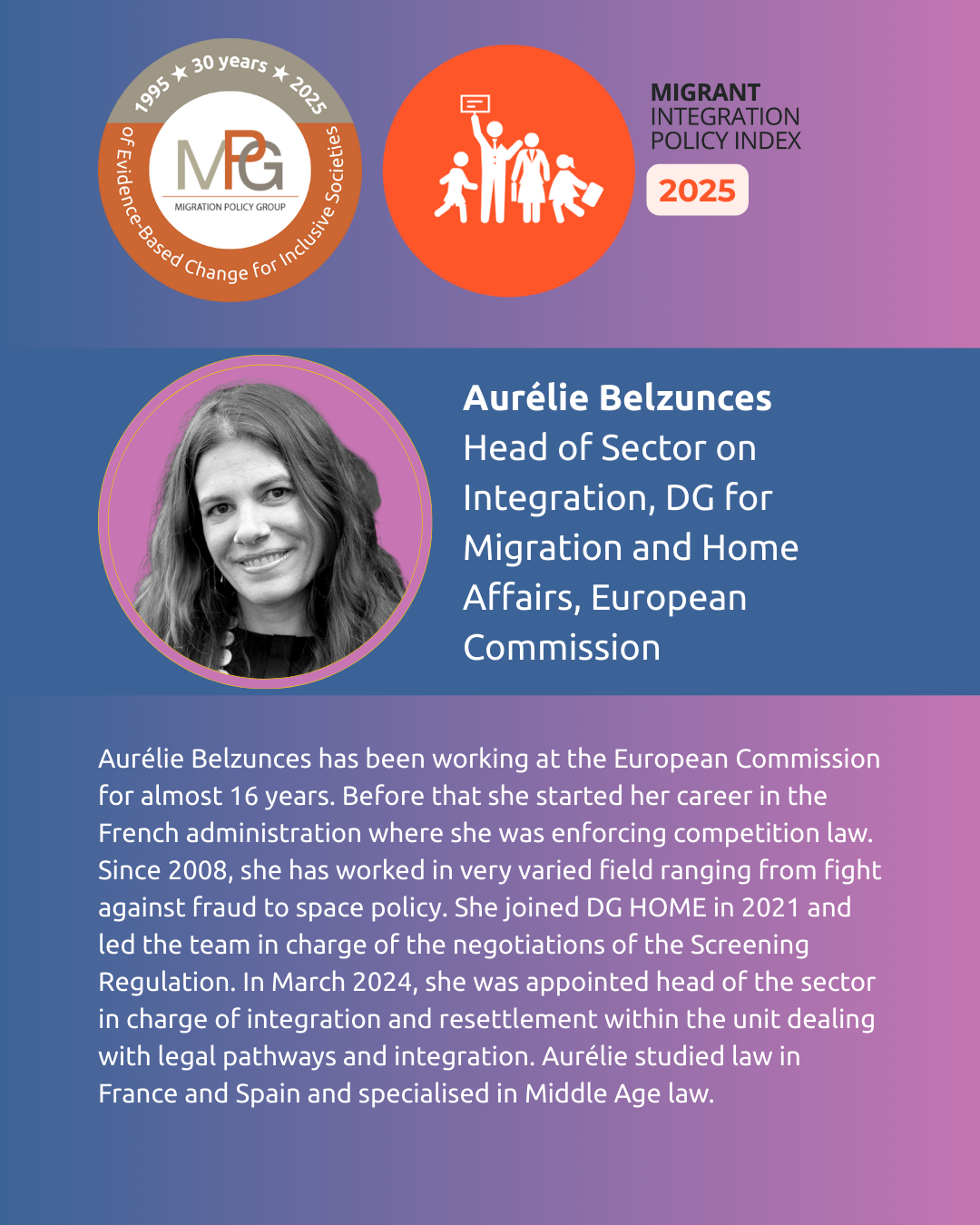
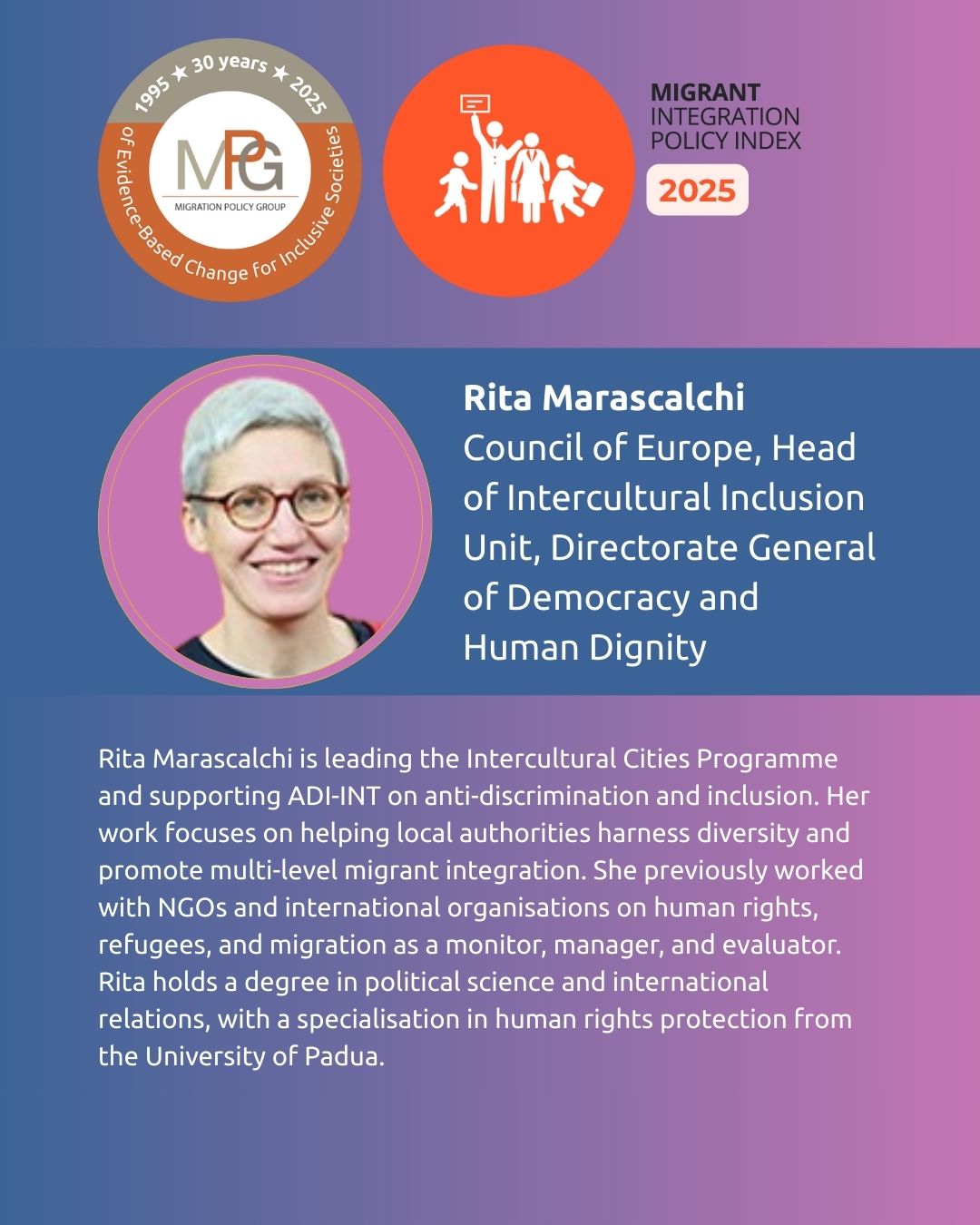



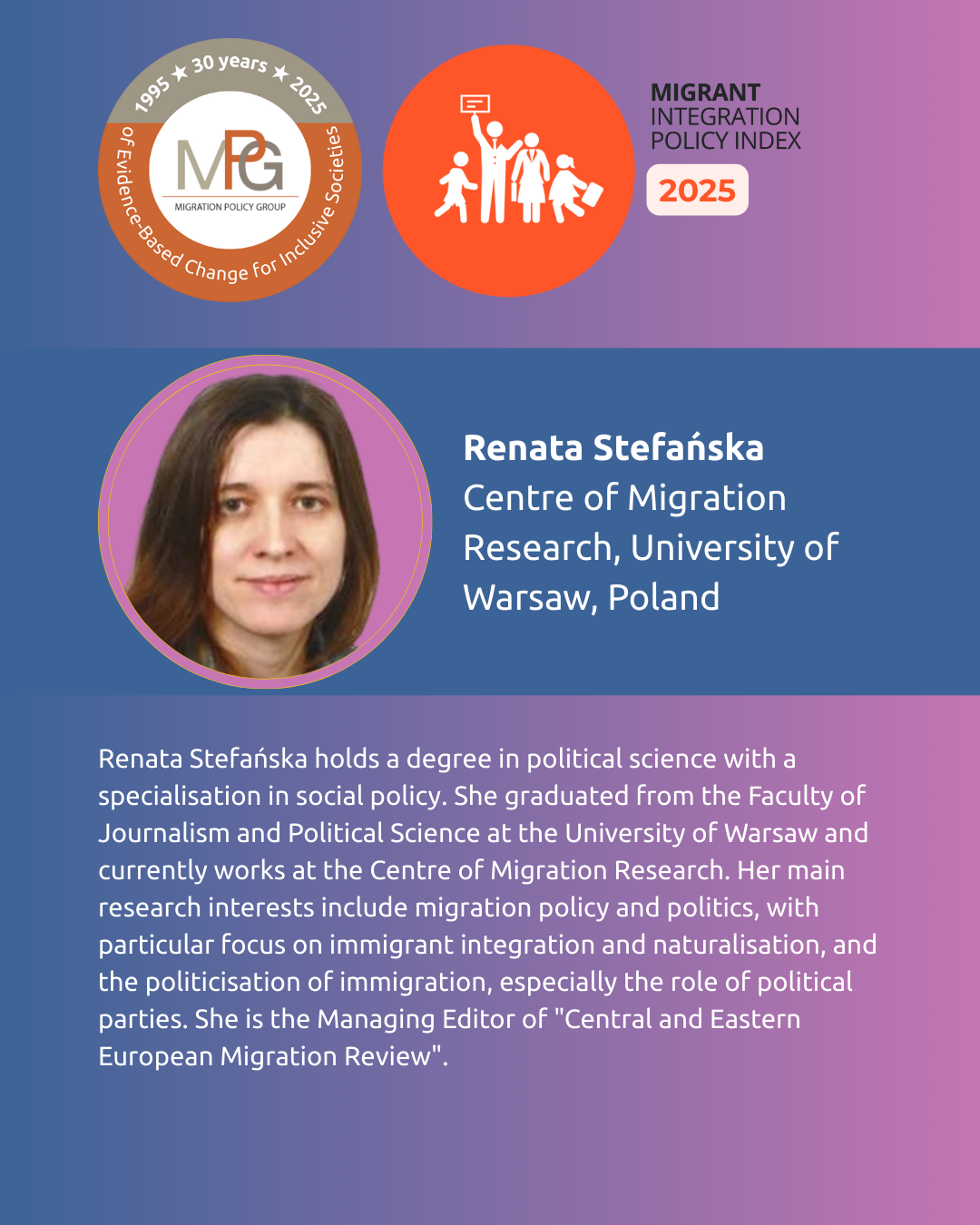
Audience members engaged with the speakers, sharing practical insights and strategies to advance inclusive policy reform across the EU.

Looking Ahead – A Shared European Responsibility
Concluding the event, Thomas Huddleston, MPG board member, and Başak Yavçan emphasised the long-term perspective needed for integration policy:
- The aim of this event was to draw the attention of EU institutions to the need for stronger support for integration at national, regional, and local levels – particularly in areas where the EU has competencies, expertise, and funding.
- We must remain vigilant against backsliding, which usually starts with stricter citizenship policies that impose arbitrary obstacles on migrants who are already integrating. While it is reasonable to expect language proficiency or civic knowledge, these requirements must be implemented in fair and constructive ways rather than punitive ones.
- Integration should not be treated as temporary or selective. It must go beyond emergency responses, such as for Ukrainians, or narrow policies focusing only on highly skilled migrants. EU and national policymakers must approach integration as a permanent, holistic strategy – the only sustainable option for fostering social cohesion.
- The continued role of MIPEX is essential, both for scoring integration policies and for assessing their impact across the EU and globally. This is particularly vital in the face of global challenges and rising anti-democratic pressures, as we must also monitor the state of migrants’ rights in non-EU countries, including the EU neighbourhood.
- Political participation remains the weakest area of integration. When migrants are excluded from decision-making processes that affect their lives, integration policies inevitably become less inclusive.
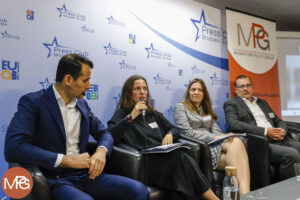
The forum closed with a networking reception, encouraging collaboration among all actors committed to advancing equal rights and opportunities for migrants and their descendants.
MIPEX as a Policy Compass
For more than 20 years, MIPEX has guided evidence-based decision-making and helped governments, civil society, and EU institutions identify both progress and gaps in integration. The 2025 edition confirms that while progress is possible, it requires sustained political will and a shared European vision to ensure fair and future-ready policies.
📥 Read MPG media release and Download the MIPEX 2025 report.
📝 Media coverage of the MIPEX 2025.
💻 Watch the livestream recording of the conference:
 About the Migration Policy Group (MPG)
MPG is an independent think-and-do-tank based in Brussels. MPG’s purpose is rooted in its ability to inspire networks to provide evidence-based projects, research and campaigns in the areas of integration, migration and anti-discrimination.